
Key takeaways
On February 19, 2022, a storm front crossed Poland with gusts above 100 km/h. Among fallen trees and torn-off roofs, people in many cities saw parcel lockers knocked over by the wind. Fortunately, nobody was hurt by them, but the pictures raised a fair question: how much wind can a parcel locker really take?
Once a parcel locker stands outdoors, it is part of the street. It carries parcels, but also wind loads, every day and from every direction. Most of the time nobody notices. In a storm, stability decides whether the locker stays in service, whether the host trusts it and whether people around it are safe.
We go far beyond metal boxes. As a solution provider, our job is to match every deployment to its local conditions: the right base, the right position, and anchoring only where the site needs it. That keeps installation simple, avoids costs a site does not need and keeps the network running when the weather turns. So in 2026 we took our lockers to a wind tunnel, to replace assumptions with evidence.
Because the same locker behaves differently on different sites. Wind acts on the whole exposed shape of the machine. The resulting forces meet its mass, its center of gravity, its base and its anchoring. A wall nearby changes the airflow before it reaches the locker, and each wind direction produces a different mix of push, uplift and turning force.
Small differences in speed also matter more than they seem. Wind pressure grows roughly with the square of wind speed, so wind that is 20% faster pushes with about 44% more pressure.
Operator takeaway: treat outdoor stability as a deployment decision, not only as a line in the locker specification.
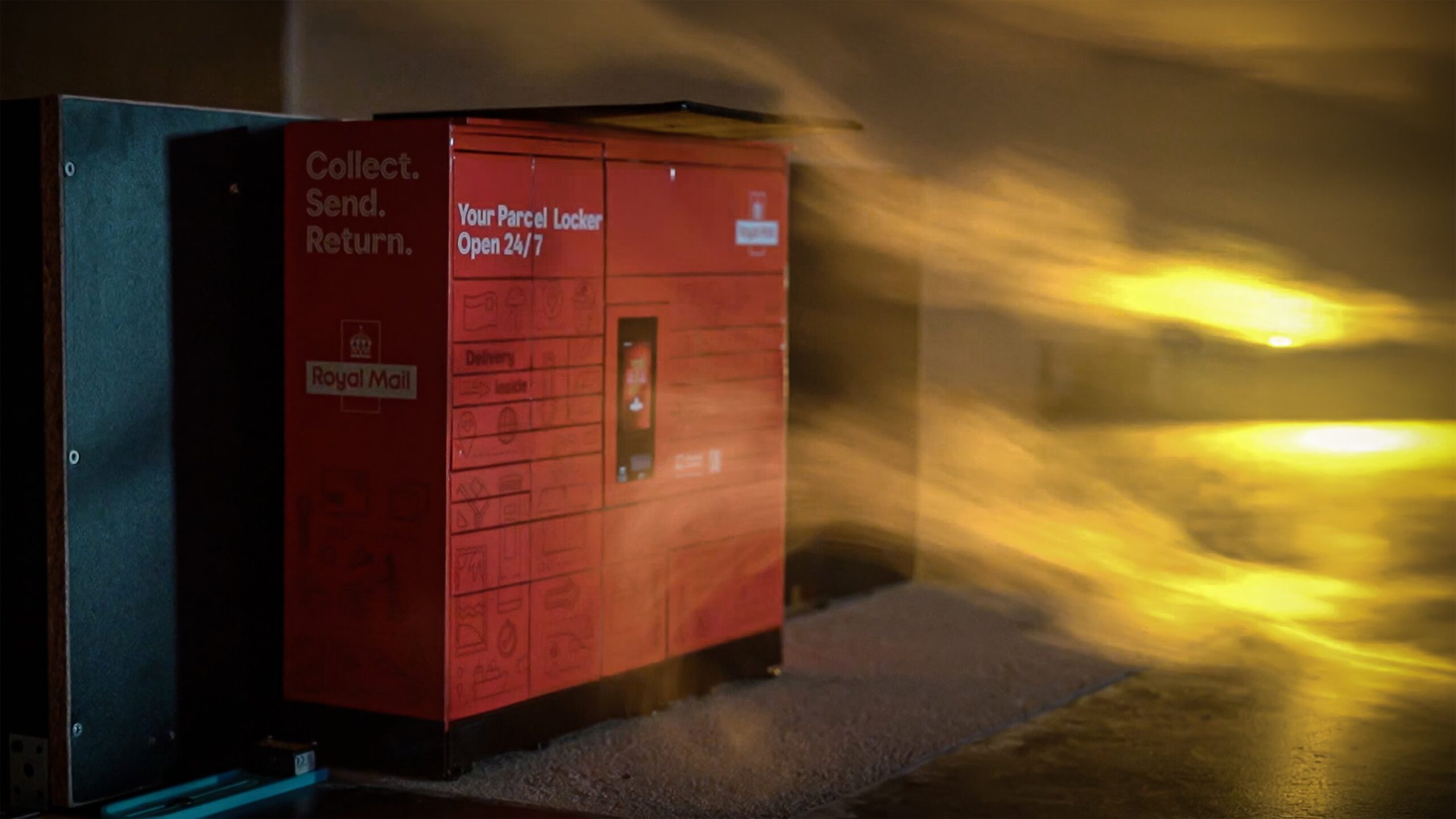
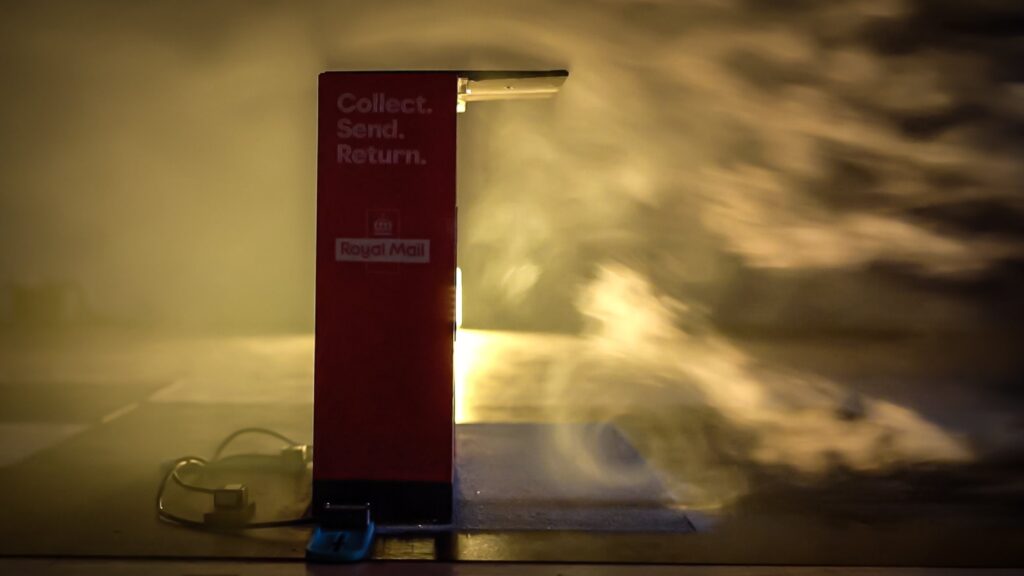
We commissioned the Wind Engineering Laboratory of Cracow University of Technology to test nine locker configurations: Swift Locker in 2- and 4-column versions, and standard lockers with 4, 5 and 9 columns, each with and without a canopy, plus an 8-column locker with a canopy. The tests ran in the laboratory’s TA1 tunnel, built for building aerodynamics.
A simple pull test applies a force the tester chooses, at a point the tester chooses. A wind tunnel lets the airflow create the load, across the whole shape and from many directions. Both are useful, but only the second tells you what wind actually does to a deployment.
Operator takeaway: if a claim is about wind, ask whether airflow was part of the test.
Swift Locker is built around a heavy concrete base. It stands stable without anchoring and can be moved with pallet equipment when your network data says the capacity belongs somewhere else. The question for the tunnel was simple: does that flexibility cost stability?
It does not. Swift Locker was designed to stay stable at 120 km/h beside a wall. Unanchored, the 4-column version held up to 167.8 km/h beside a wall 1 m taller than the locker, about 40% above its design target, and even the lowest wall result, 135.4 km/h, beat that target. In every tested setting and from every wind direction, both the 4-column and the 2-column versions also stayed above the laboratory’s test threshold of 22 m/s (about 79 km/h).
| Tested setting (4-column, unanchored) | Safe mean wind speed | km/h |
|---|---|---|
| Free-standing, no wall | 31.4 m/s | 113.0 |
| Wall as high as the locker, 25 cm gap | 37.6 m/s | 135.4 |
| Wall as high as the locker, 13 cm gap | 38.9 m/s | 140.0 |
| Wall 1 m taller than the locker, 25 cm gap | 46.6 m/s | 167.8 |
Source: Wind Engineering Laboratory of Cracow University of Technology, wind tunnel tests of a 4-column parcel locker (heavy base), August 2026. Values are mean wind speeds at full scale, least favorable of eight directions.
Each value is the lowest of the eight tested directions, not the best one. In the most sheltered directions, the locker stayed stable up to 50.7 m/s (about 183 km/h). Beside a wall, every result is above 32.7 m/s, the hurricane-force threshold of the Beaufort scale. The 2-column version also passed the laboratory’s threshold in every setting, from 29.0 m/s (about 104 km/h) free-standing.
Beyond those limits, Swift Locker in most cases began to slide rather than tip over. That is why the real concrete surface mattered: for a locker that slides, friction with the ground decides the result, and testing on concrete with a measured coefficient of 0.4–0.45 keeps the result close to a real installation.
Deployment flexibility and outdoor stability do not have to be opposites.
Maciej Angerman, Client Solutions Architect
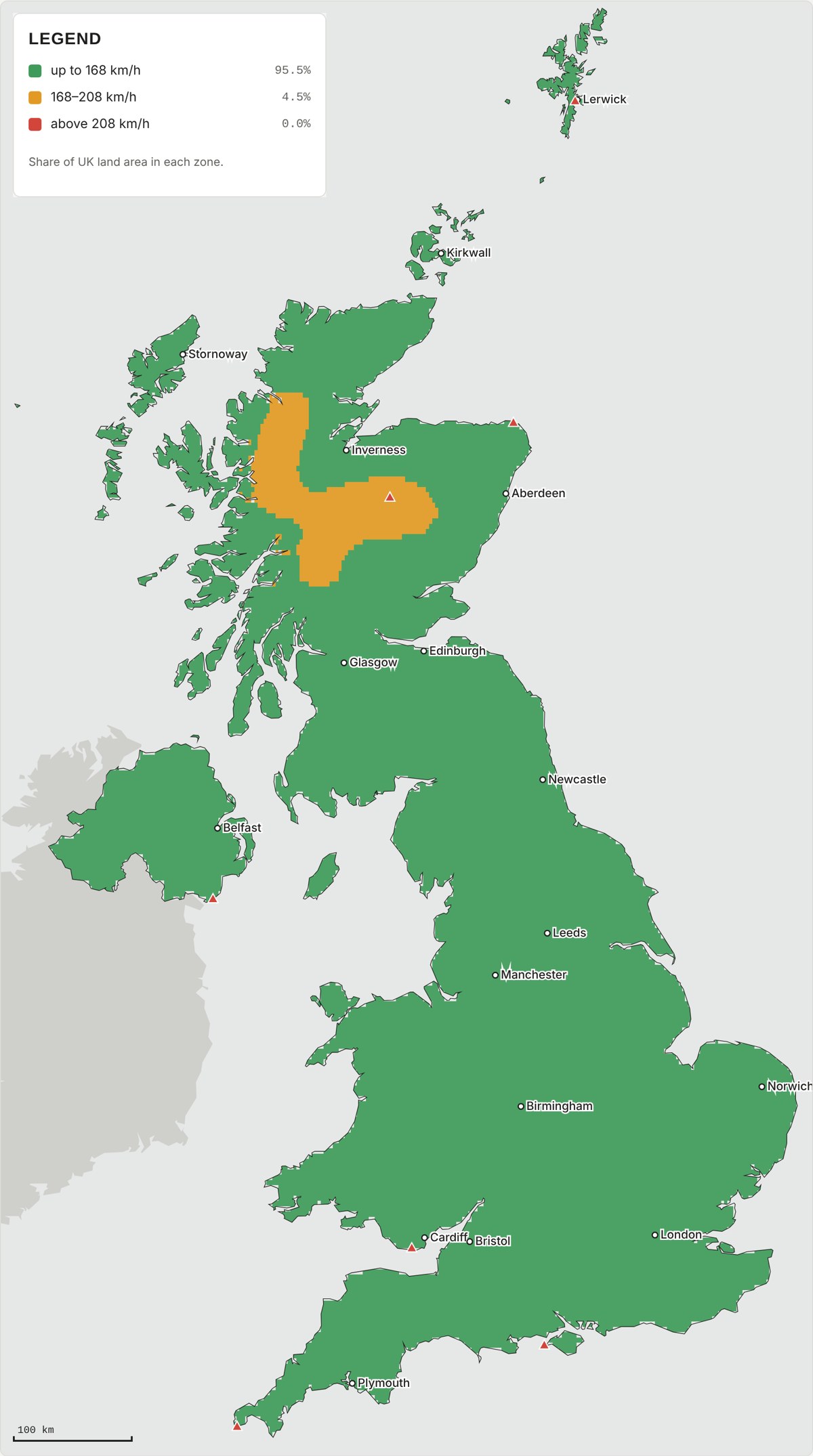
What does 167.8 km/h mean on a real map? Our engineers compared the tested threshold with the UK wind code (BS EN 1991-1-4 and its UK National Annex), using the 50-year peak gust 2 m above the ground, at locker height. Because the tunnel flow was steady, comparing its threshold with a peak gust is the stricter test. For a Swift Locker placed beside a building wall, the code’s 50-year gust stays below the tested threshold on about 95% of UK land area. The remaining 4.5% is mainly high ground in the Scottish Highlands, where the code gust still stays below 208 km/h and a site-specific assessment decides the installation.
Operator takeaway: a relocatable network is stronger when the stability behind relocation has been tested, not assumed.
We also tested lockers with a standard base, from 4 to 9 columns, unanchored and anchored. Three findings now shape how we plan installations:
Operator takeaway: a good test does more than give a pass or fail. It tells you what to change before a specification is repeated across thousands of sites.
A wind number without its context invites false comparisons. Before you accept one, ask:
The last question matters most. Commissioning a test is easy. Using its results to make a better decision is the engineering.
Operator takeaway: do not buy the largest wind number. Understand the process behind it.
Wind testing is one part of how Modern Expo works as a solution provider. From location assessment and product choice to installation and SLA-backed service, every recommendation starts from the site our client actually has. Evidence from the tunnel lets us recommend the simplest installation that is safe for that site, so operators can deploy faster, spend less on groundwork and keep their networks running when storms come.
Planning outdoor lockers for new markets, or reviewing an installation standard? Bring us your sites. Maciej Angerman and our OOH experts will help you match the product and the installation to the conditions you actually face.
It depends on the locker, its base and where it stands. In our 2026 wind-tunnel tests, an unanchored 4-column Swift Locker stayed stable up to a mean wind speed of 31.4 m/s (113 km/h) free-standing and up to 46.6 m/s (167.8 km/h) beside a wall, from every tested direction. It was designed for 120 km/h beside a wall.
Not always. Swift Locker’s heavy concrete base keeps it stable without anchoring in the tested settings. Lockers with a standard base are placed beside a wall or anchored, depending on the site.
Usually, yes. In our tests a nearby wall raised stability, while wind coming around a wall’s corner was often the least favorable case. The gap between locker and wall also changed the result.
No. Our results are mean wind speeds, the measure used in wind engineering and in the Eurocode for wind actions (EN 1991-1-4). Gusts are short peaks above the mean, so always check which measure a rating uses.
Client Solutions Architect, Modern Expo. Maciej translates operators’ deployment scenarios into a product and installation approach backed by engineering evidence, from site conditions to anchoring and relocation. He led Modern Expo’s 2026 wind-tunnel program with the Wind Engineering Laboratory of Cracow University of Technology.
White paper
by {{m.wpBy}}
{{m.wpD}}
We will deliver the white paper “{{m.wpT}}” to your email address within 24 hours.
CloseModern-Expo S.A., Ludwika Spiessa 3, 20-270 Lublin
© 2026 Modern Expo. All rights reserved.
Blog
We’re working on it — soon we’ll drop some fresh out-of-home knowledge right here. No pickup code needed.
Got it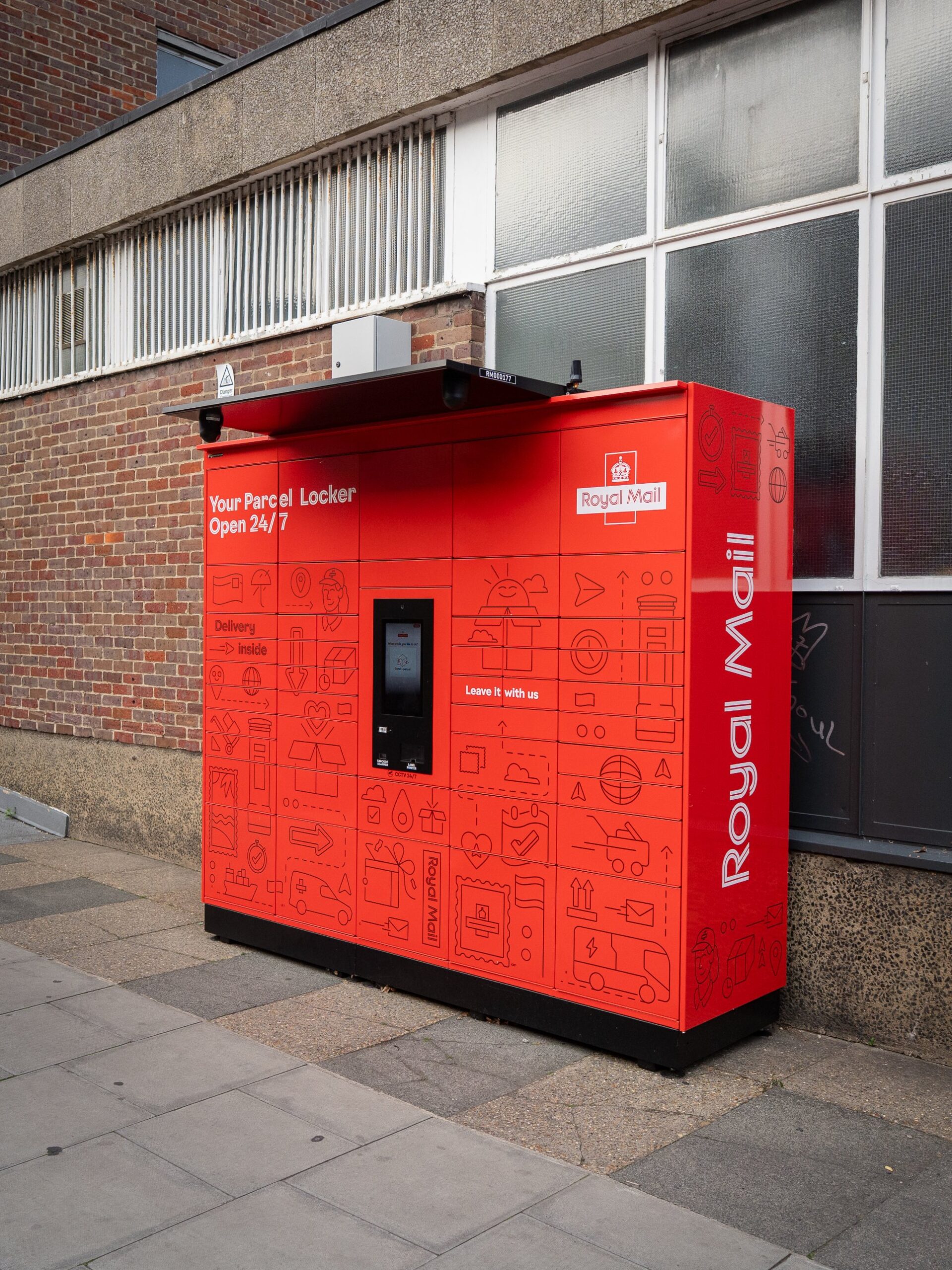
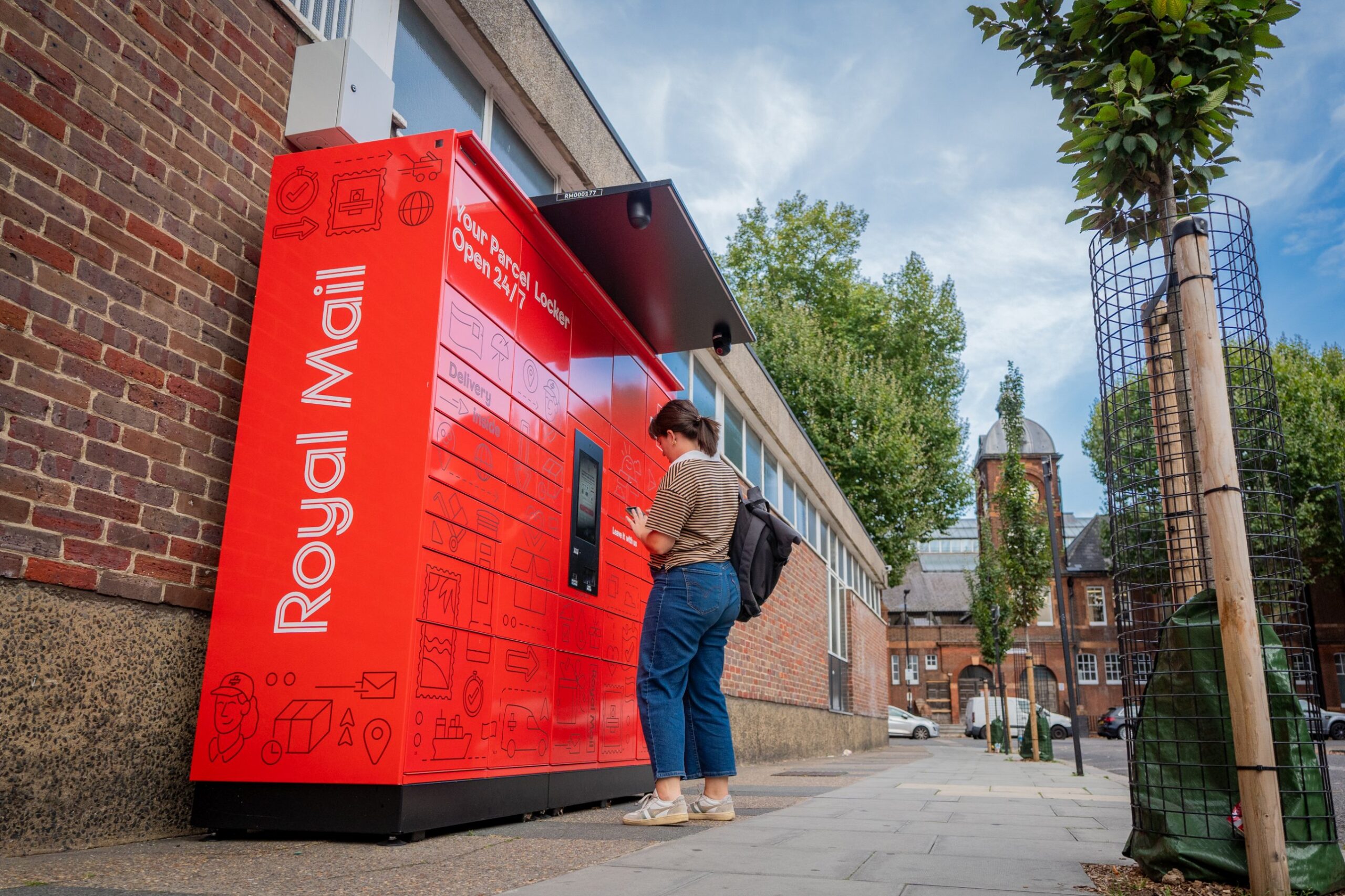
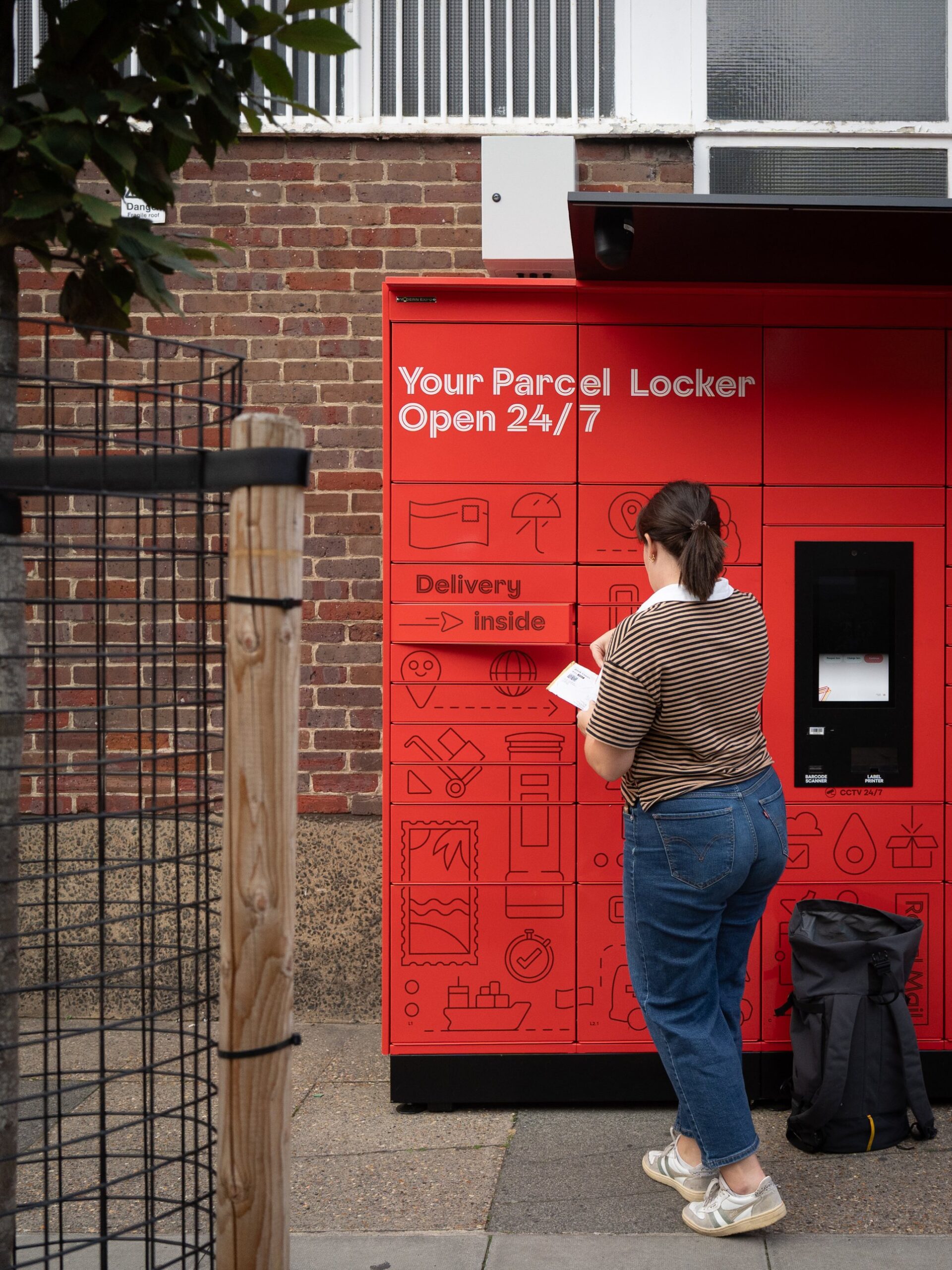
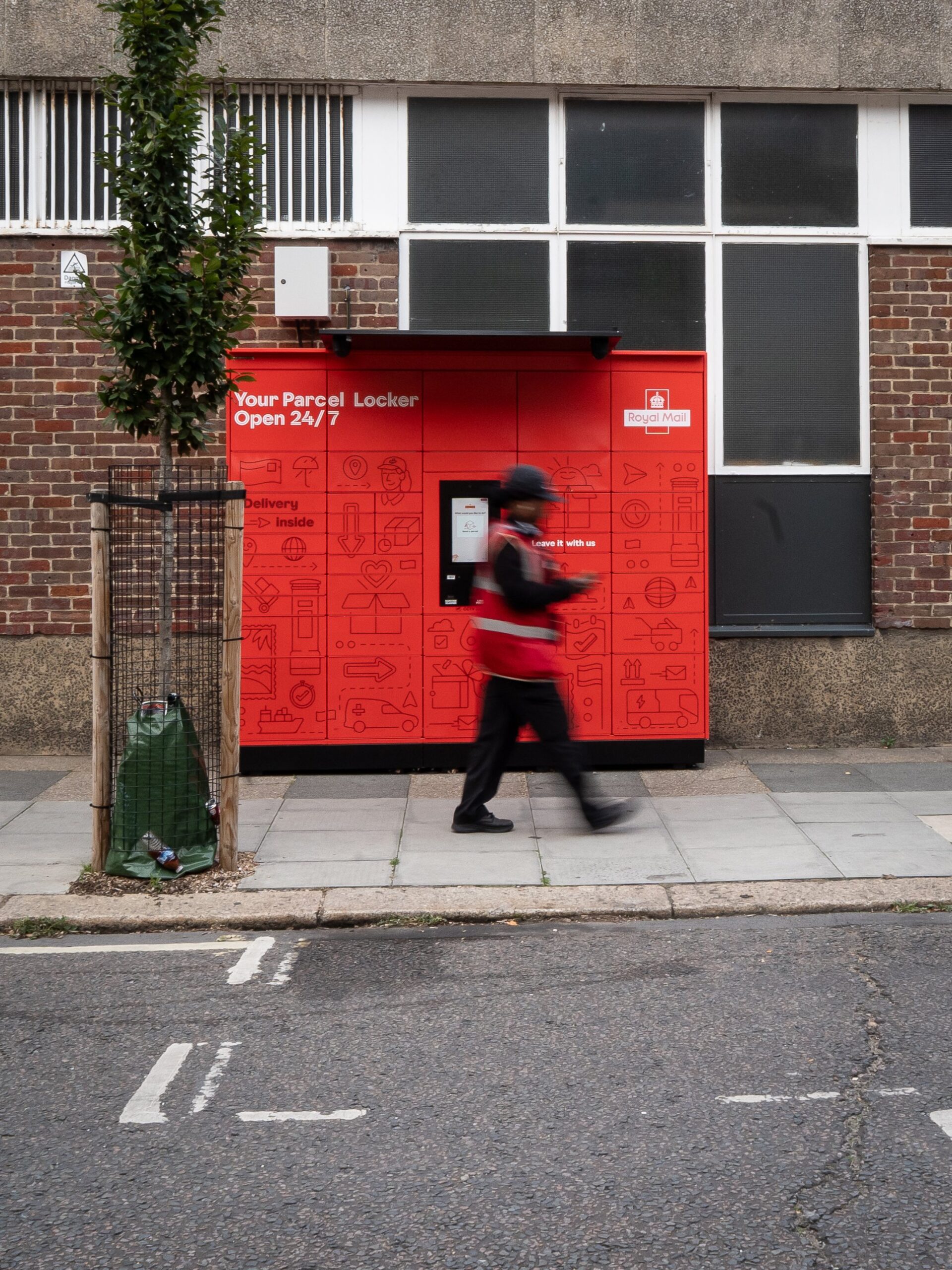
Royal Mail is the UK’s oldest postal service. It delivers to over 29 million addresses and operates 115,000 postboxes and over 8,500 out-of-home delivery points.
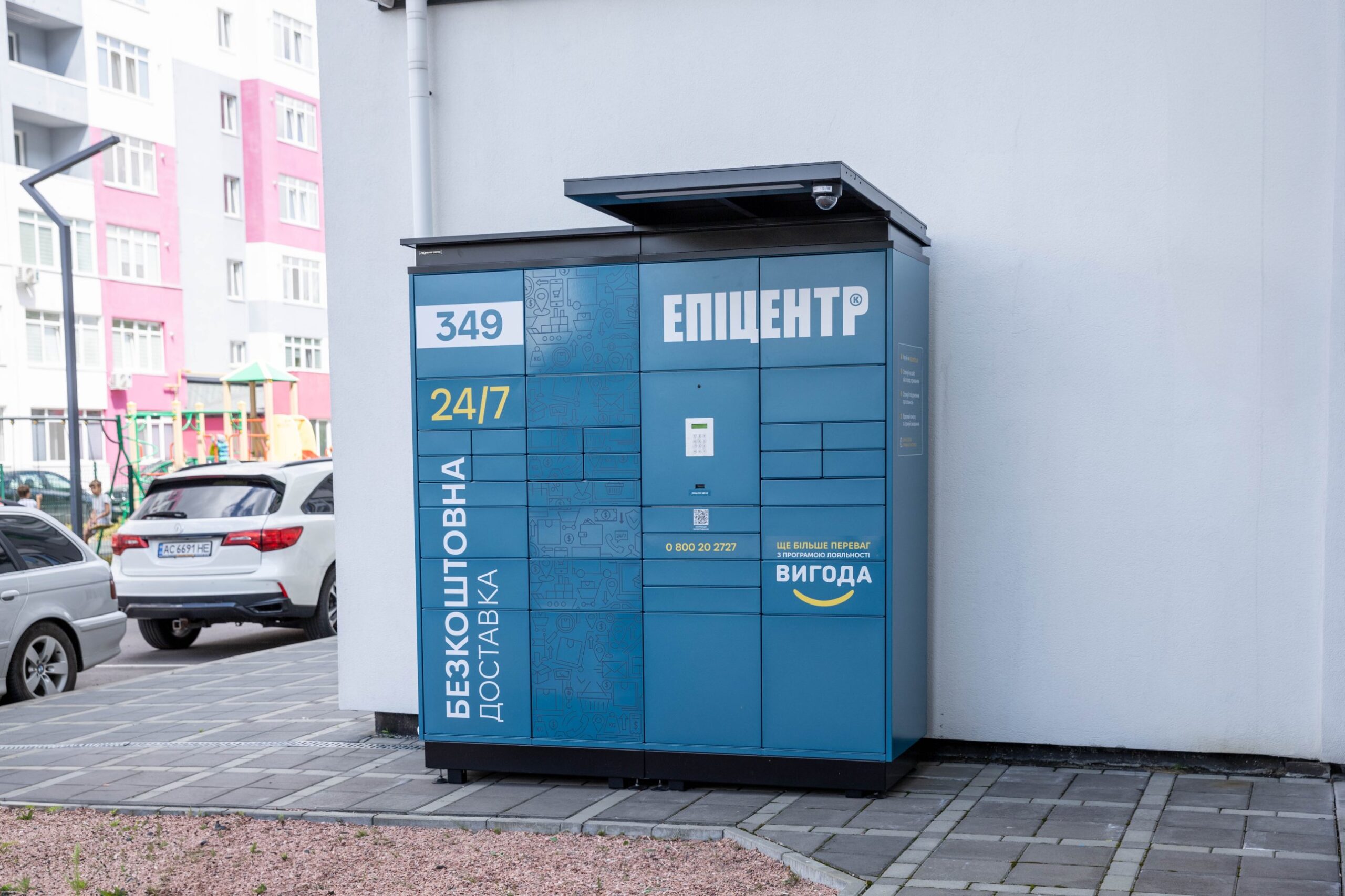
Epicentr is Ukraine’s largest DIY and home improvement retailer. It is also one of Ukraine’s leading e-commerce platforms, combining online and offline retail across a wide product range.
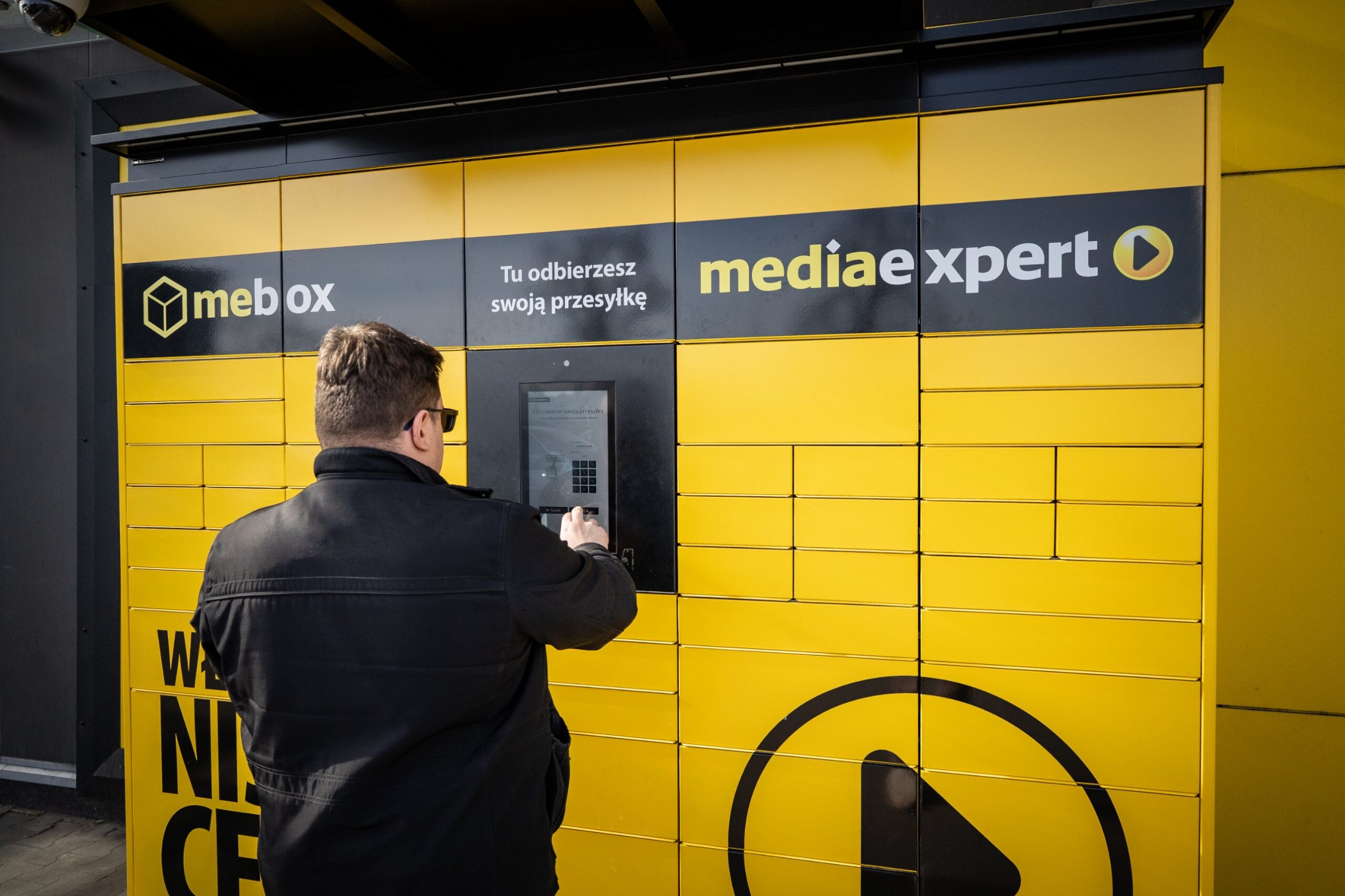
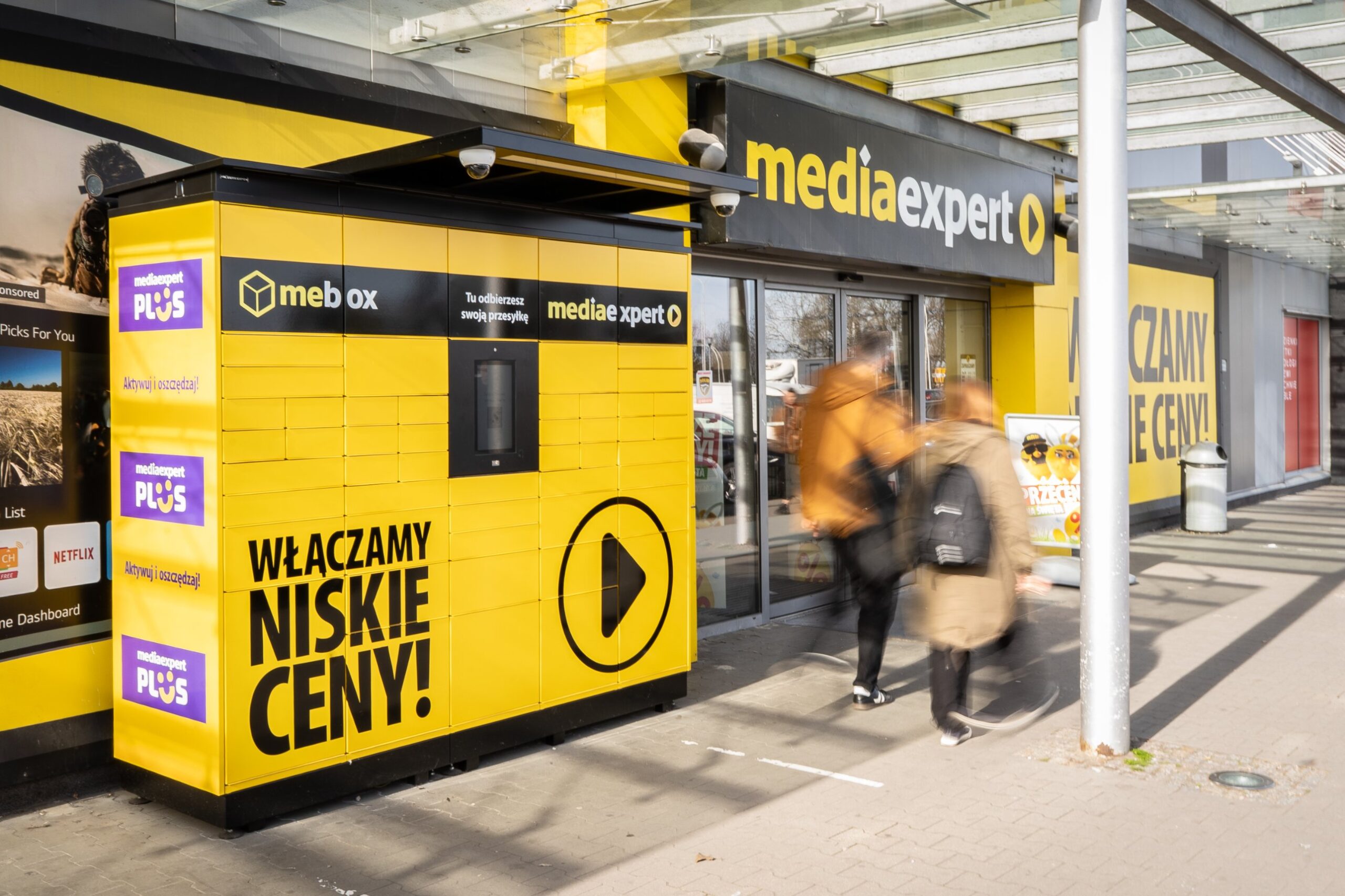
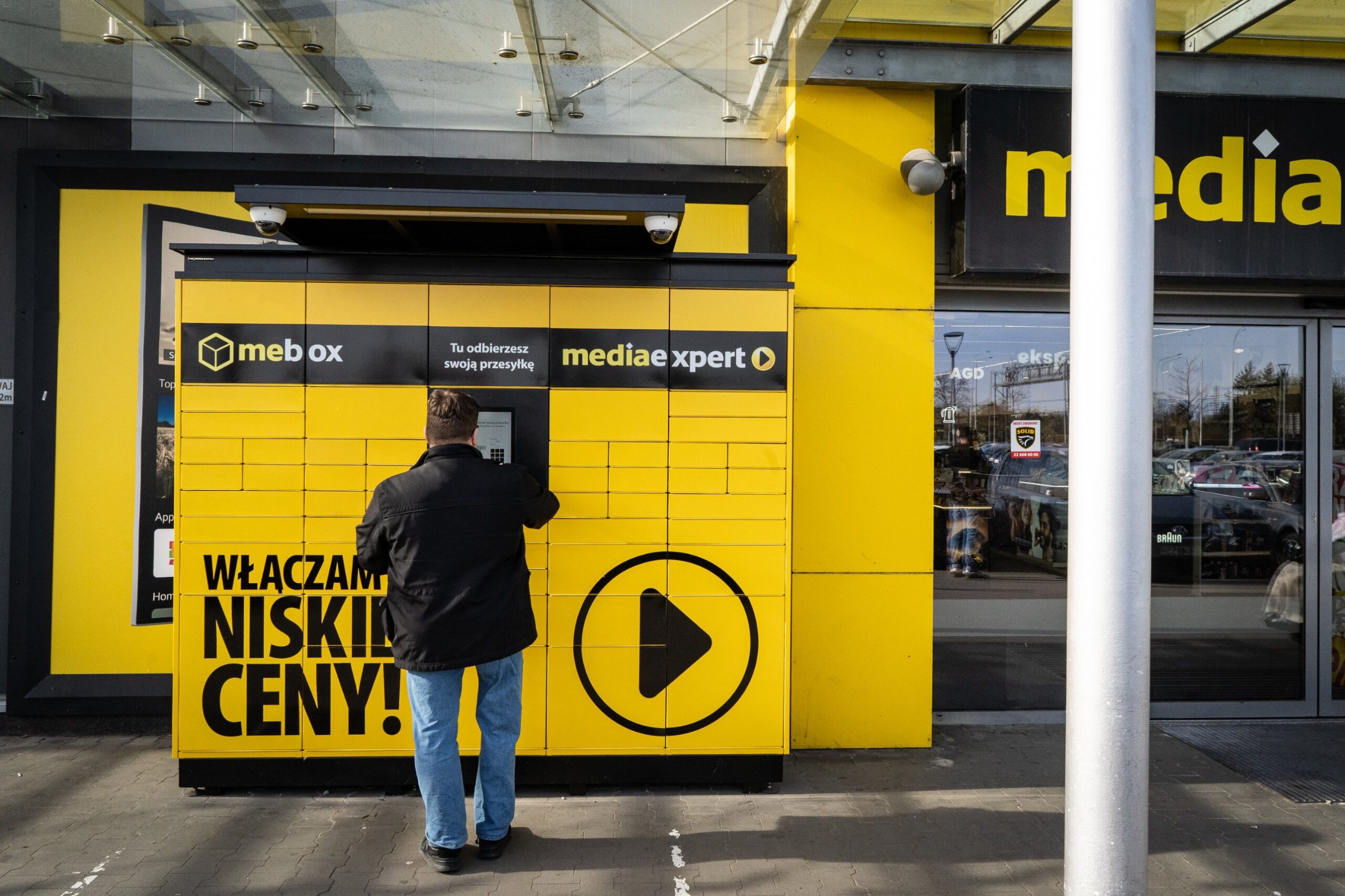
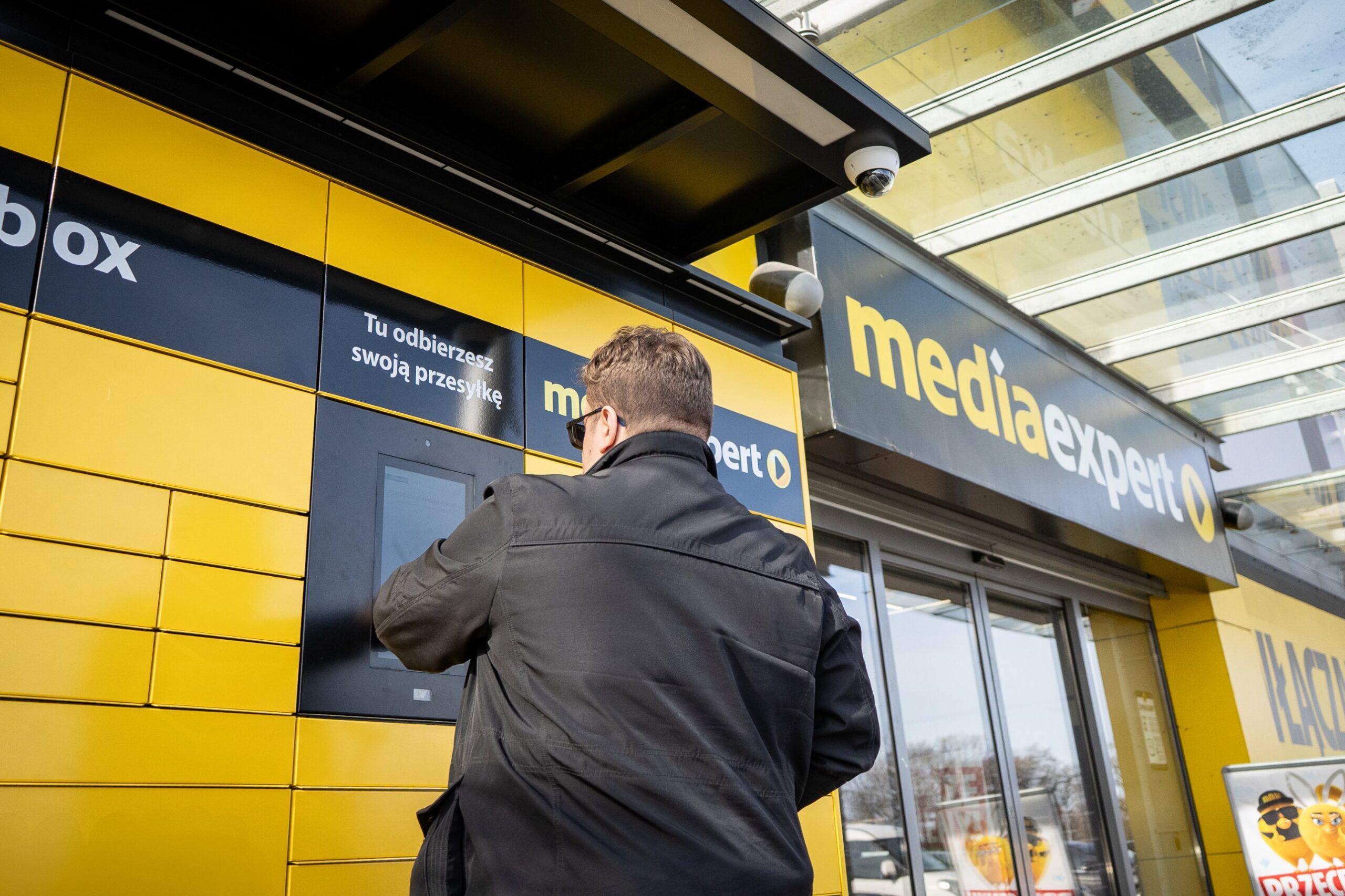
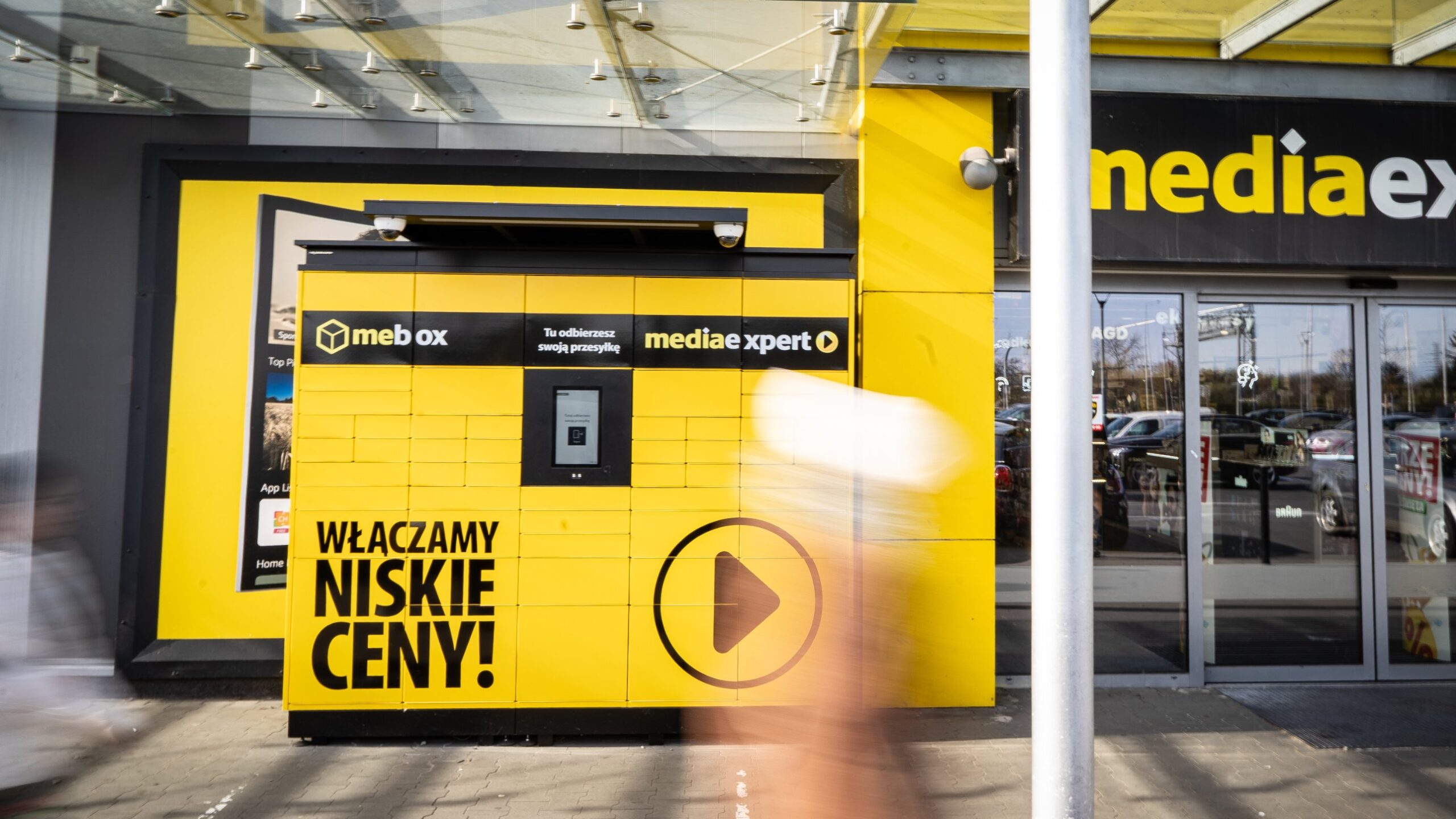
Media Expert is Poland’s largest consumer electronics and home-appliance retailer, with nearly 650 stores across approximately 450 cities. In partnership with Modern Expo, the company has rolled out more than 300 ME Box parcel lockers, enabling customers to collect selected online orders in as little as one hour — often 24/7 — while reducing staff workload and improving store efficiency.
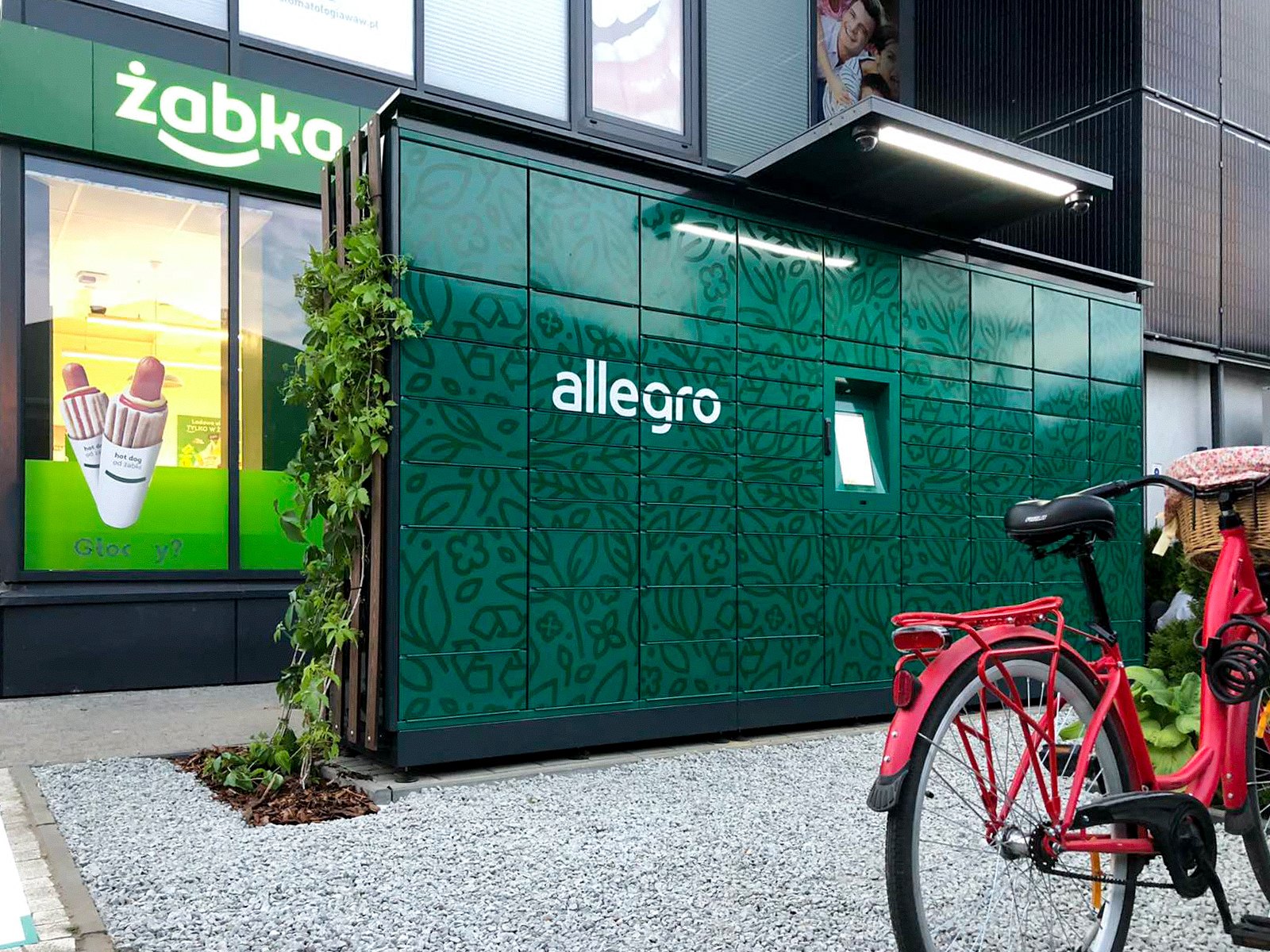
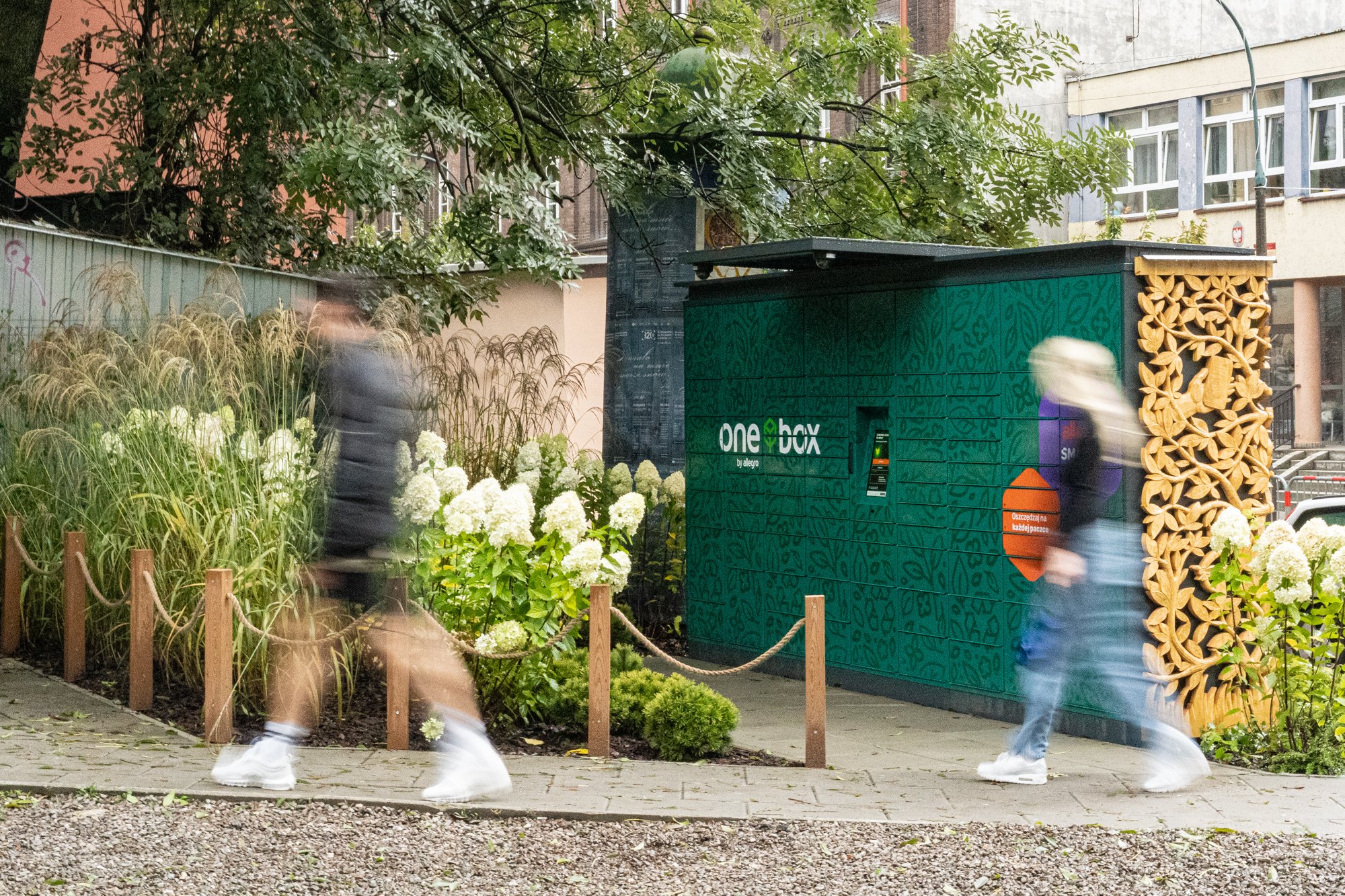


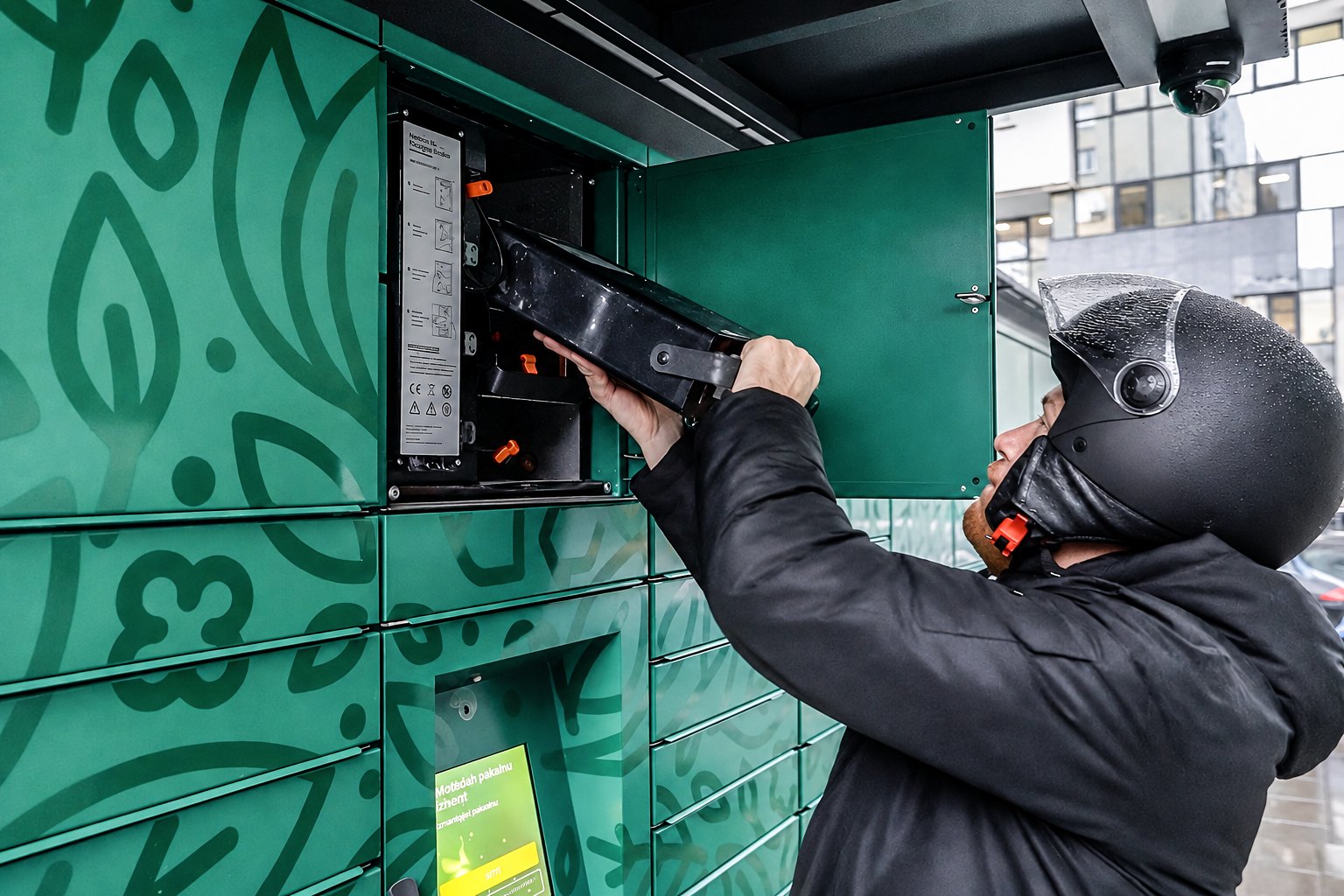
Allegro is the largest e-commerce platform in Central and Eastern Europe, boasting over 20 million active buyers across the region, including nearly 15 million in Poland alone.
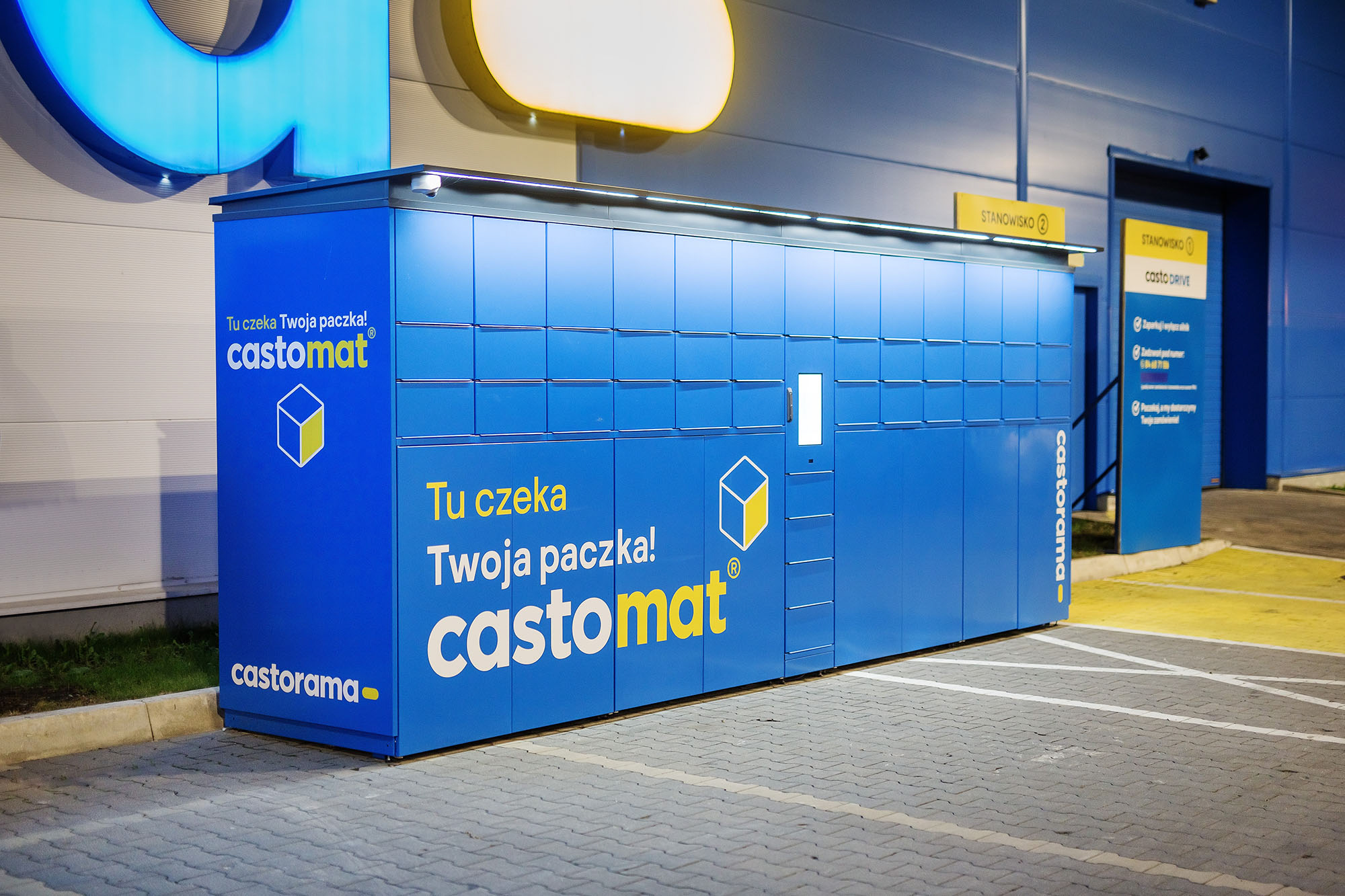
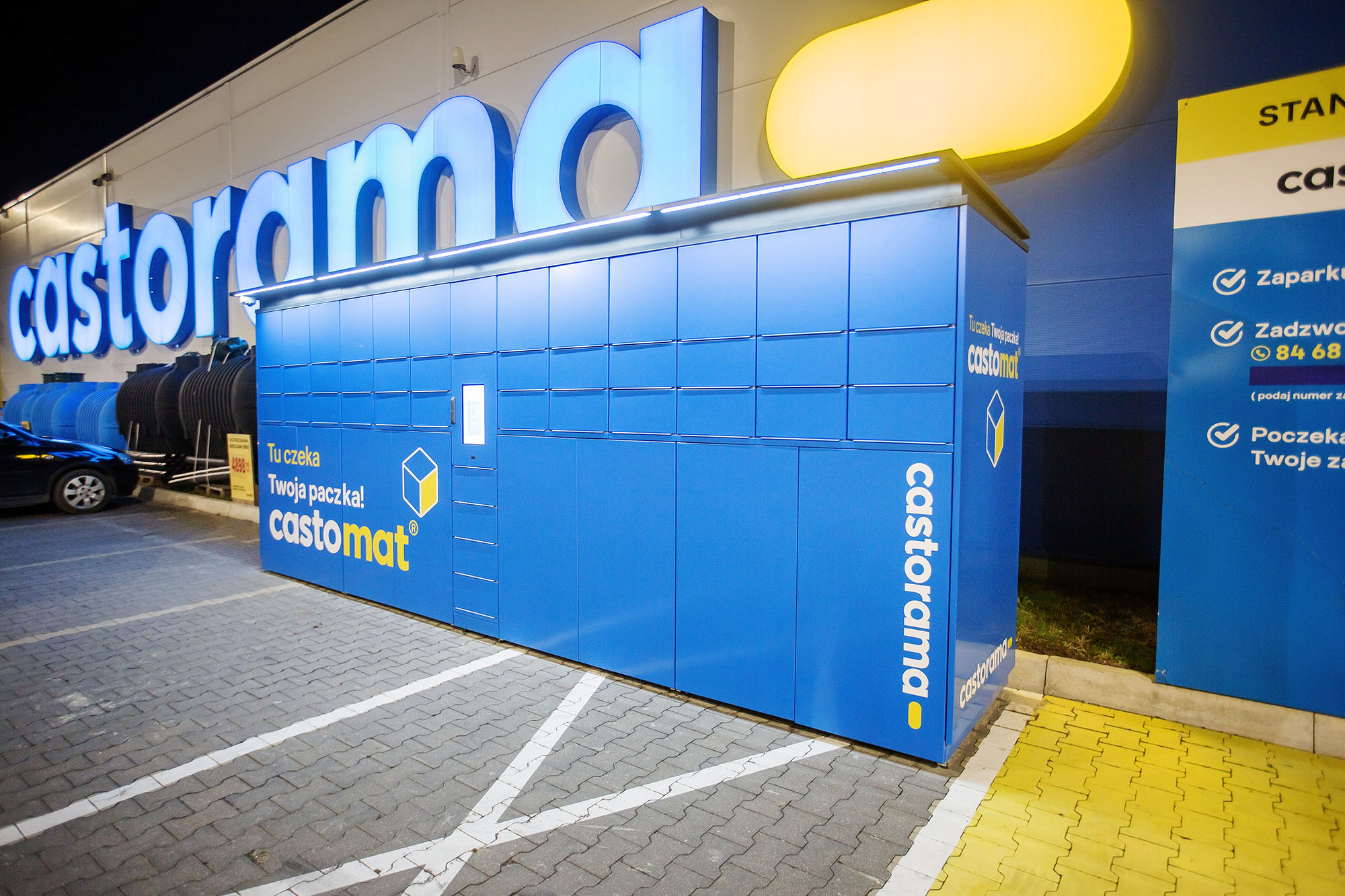
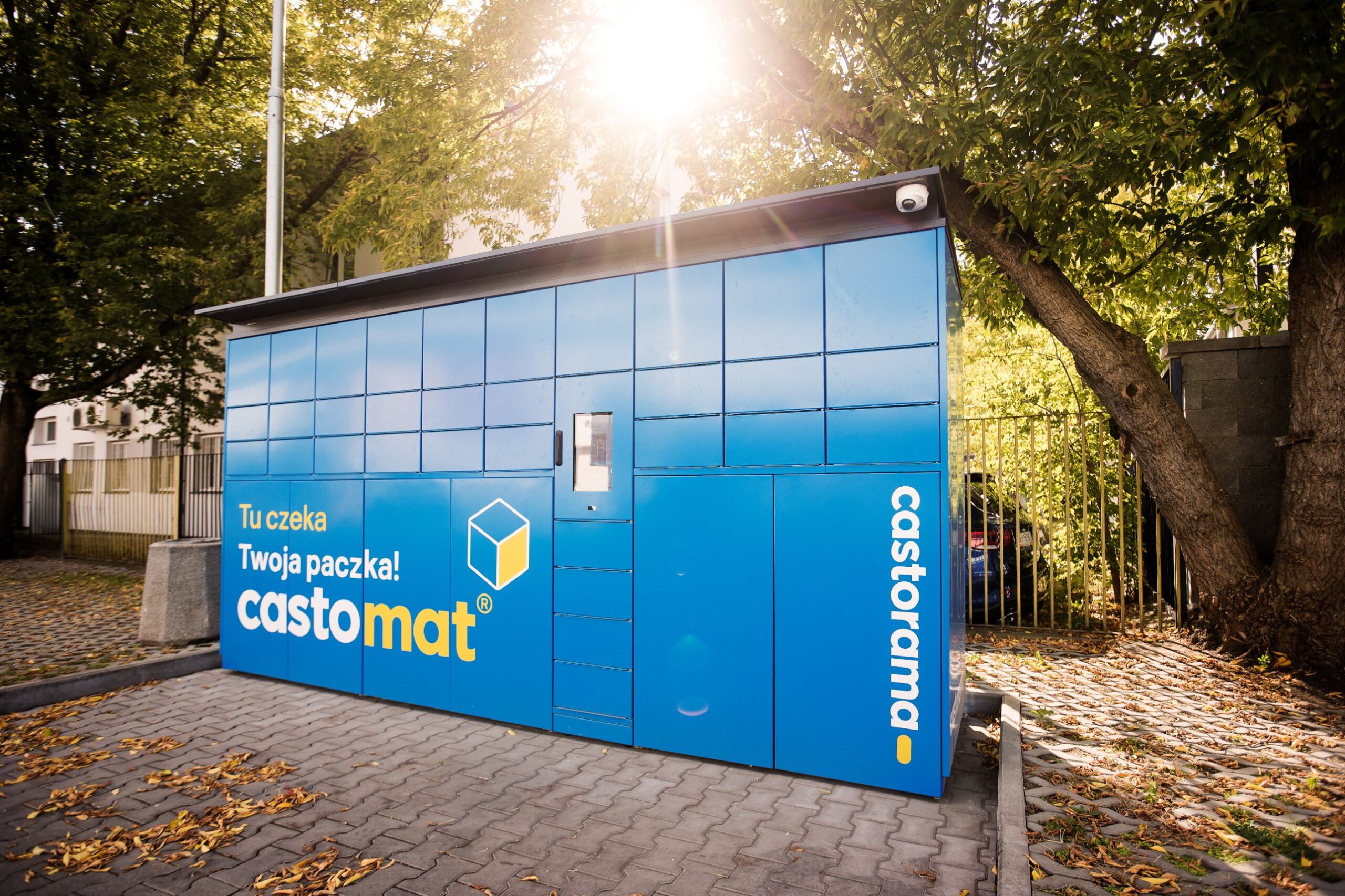
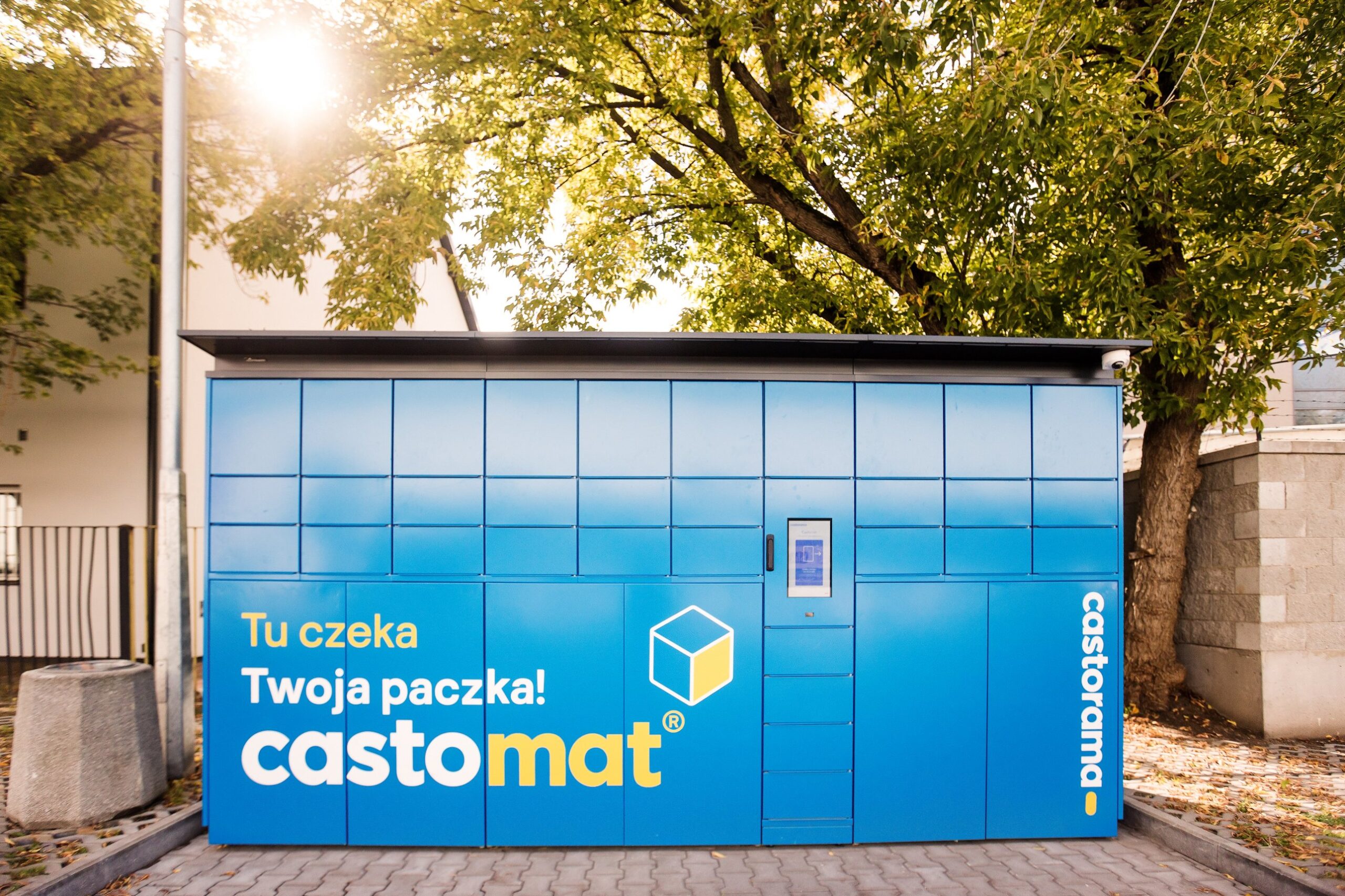
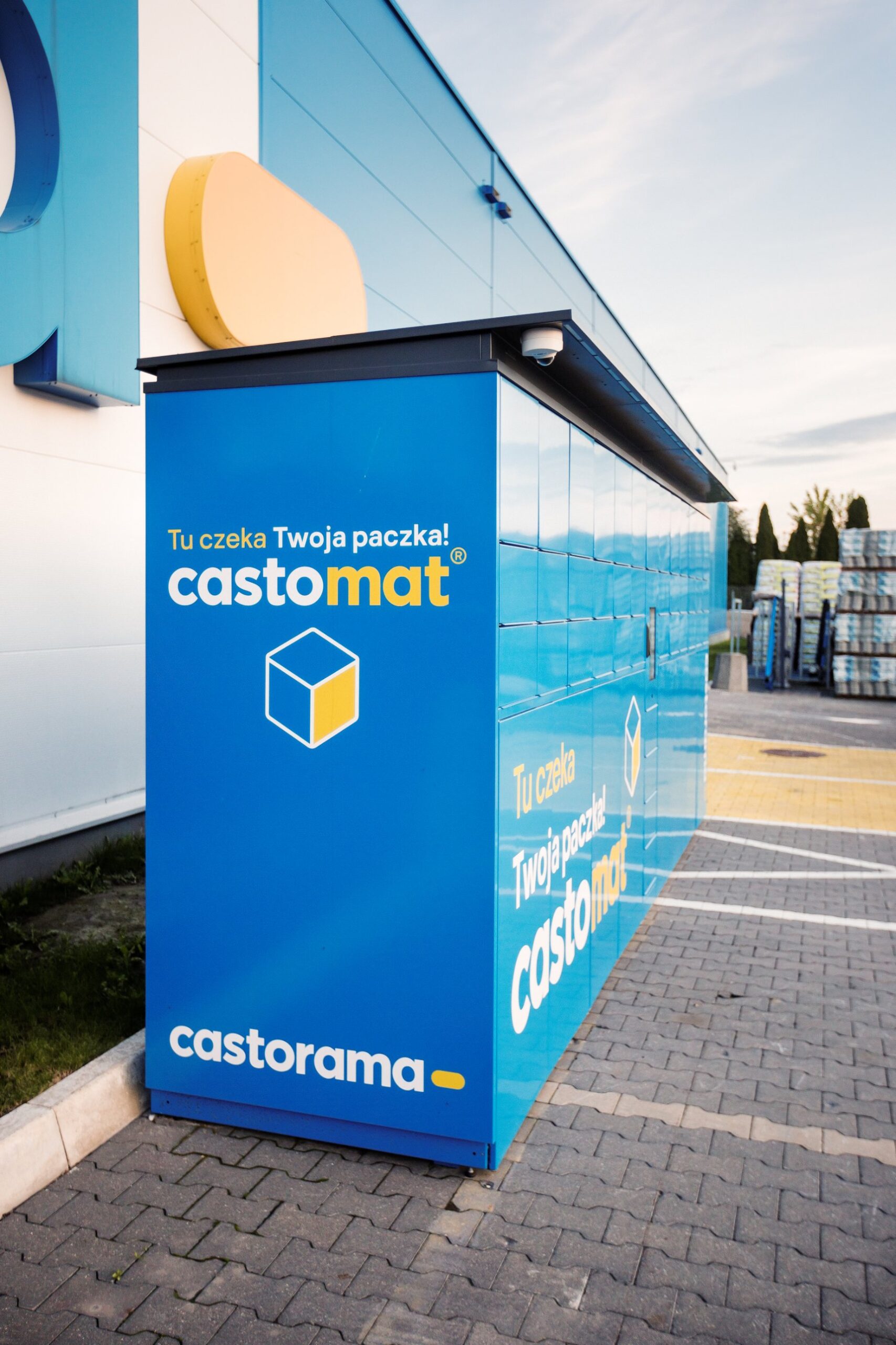
Castorama is part of the British Kingfisher Group and operates over 90 stores in Poland, making it a leading DIY and home improvement retailer in the country. The company has integrated a click & collect service to enhance its omnichannel shopping experience.
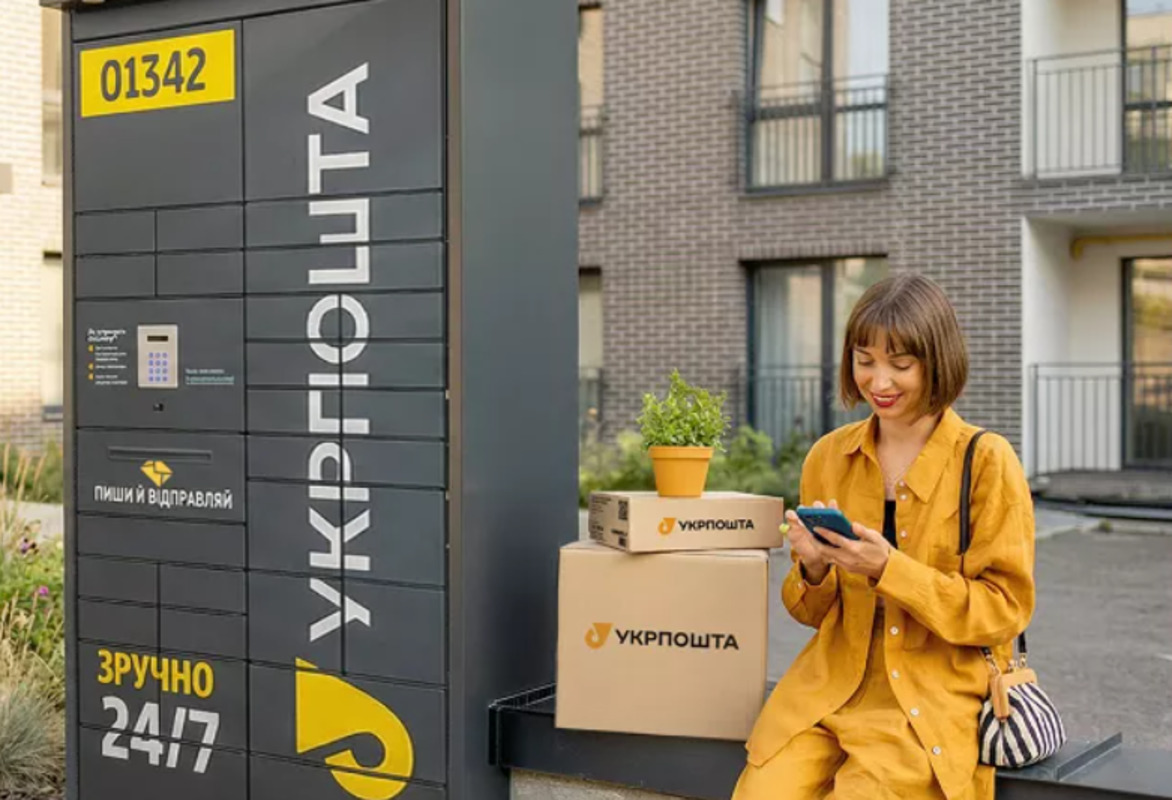
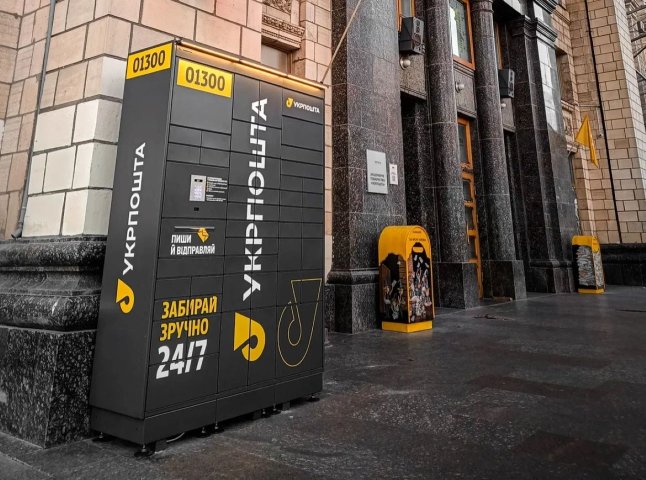
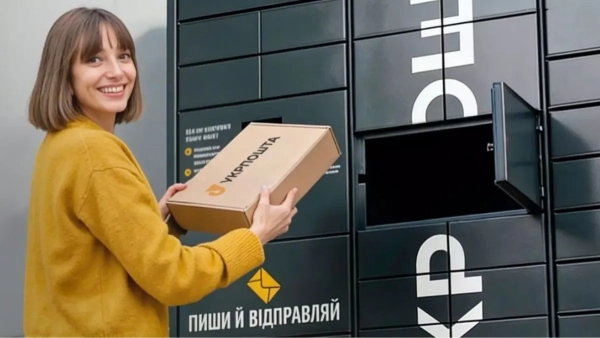
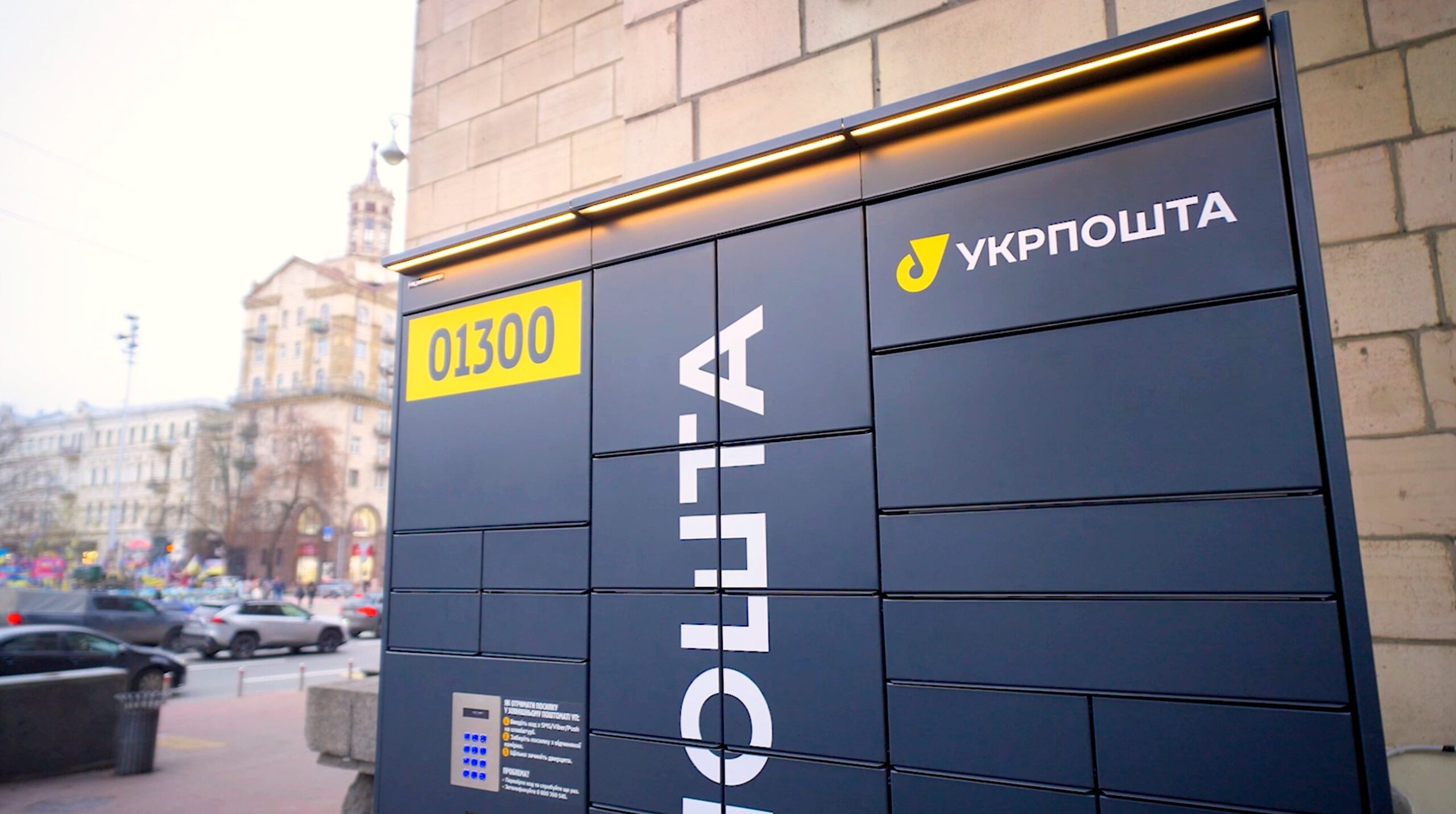
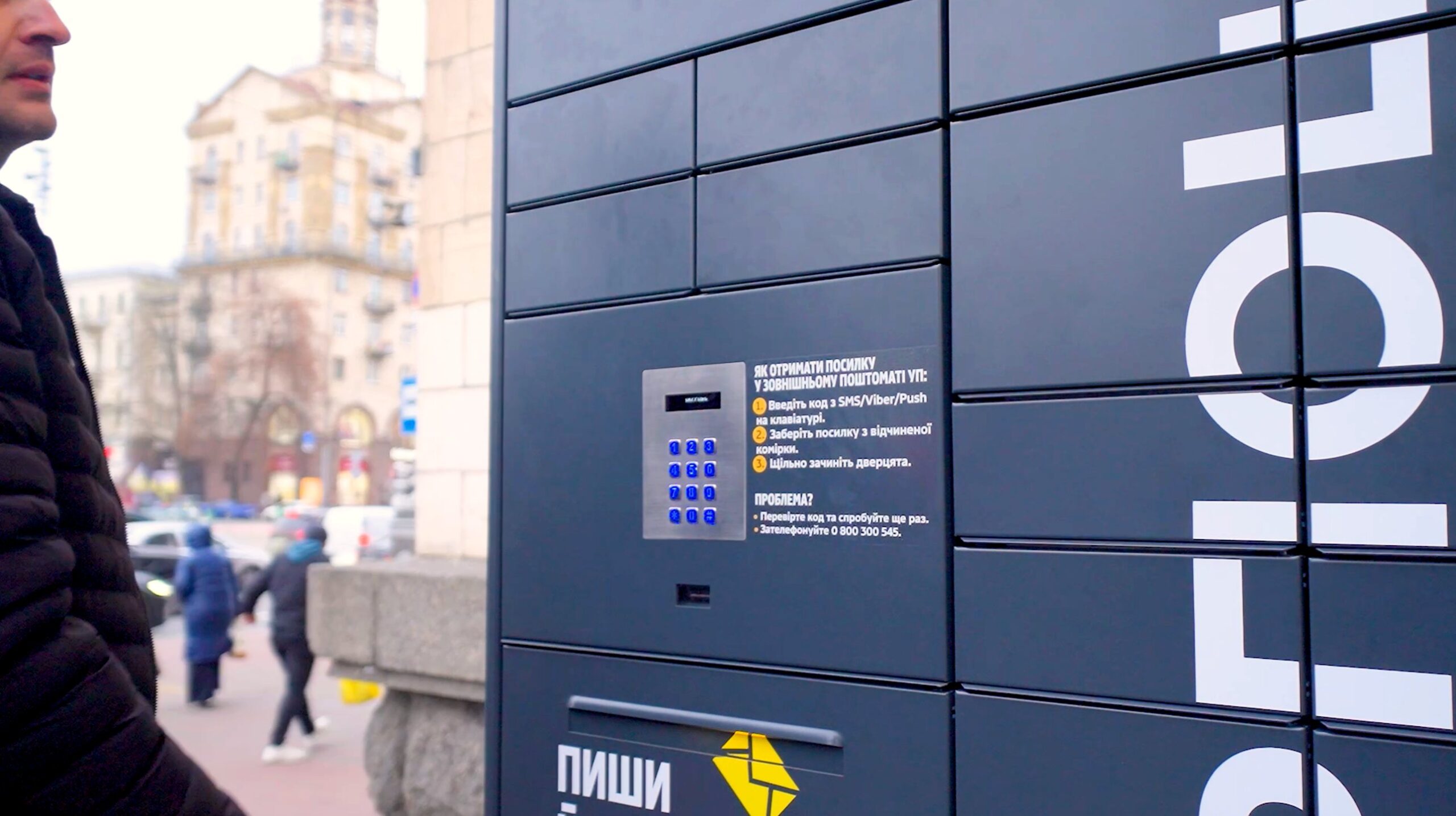
Ukrposhta is Ukraine’s national postal operator, connecting more than 20,000 settlements through a nationwide network and providing postal, logistics, financial and trade services to individuals and businesses.
Ukrposhta operates 100 parcel lockers (September 2026), a number expected to grow to 1,000 by the end of 2026.
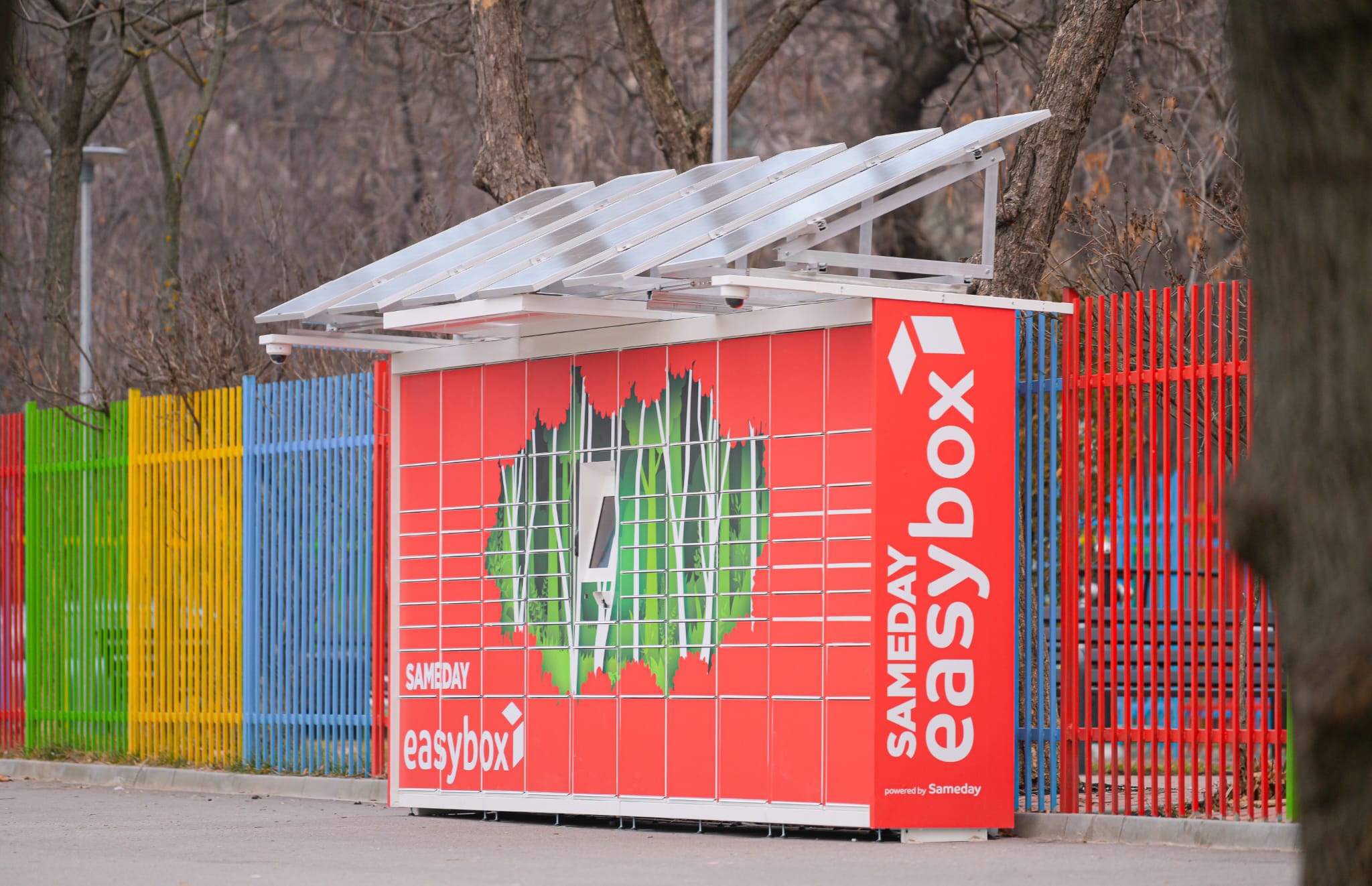
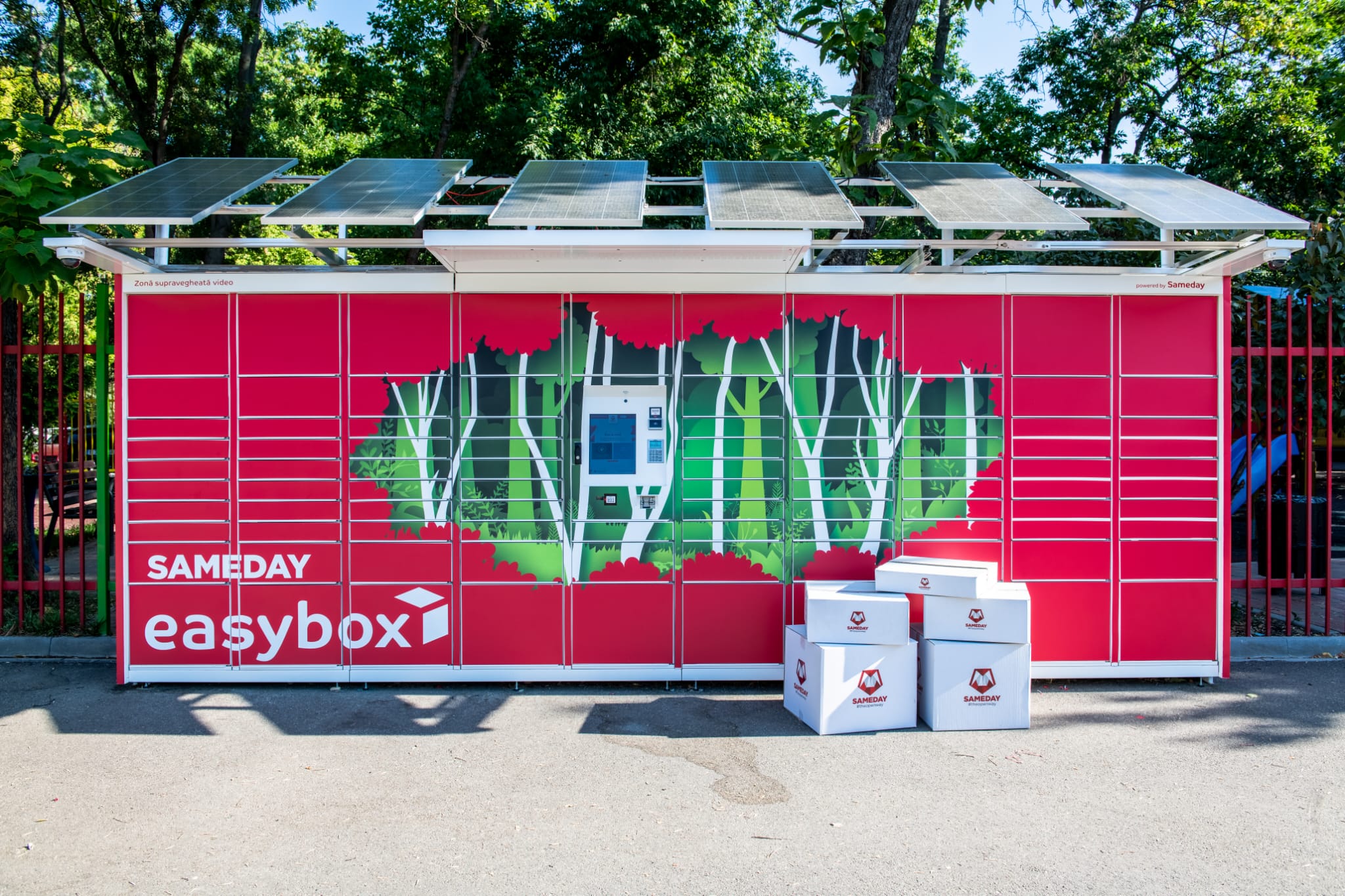
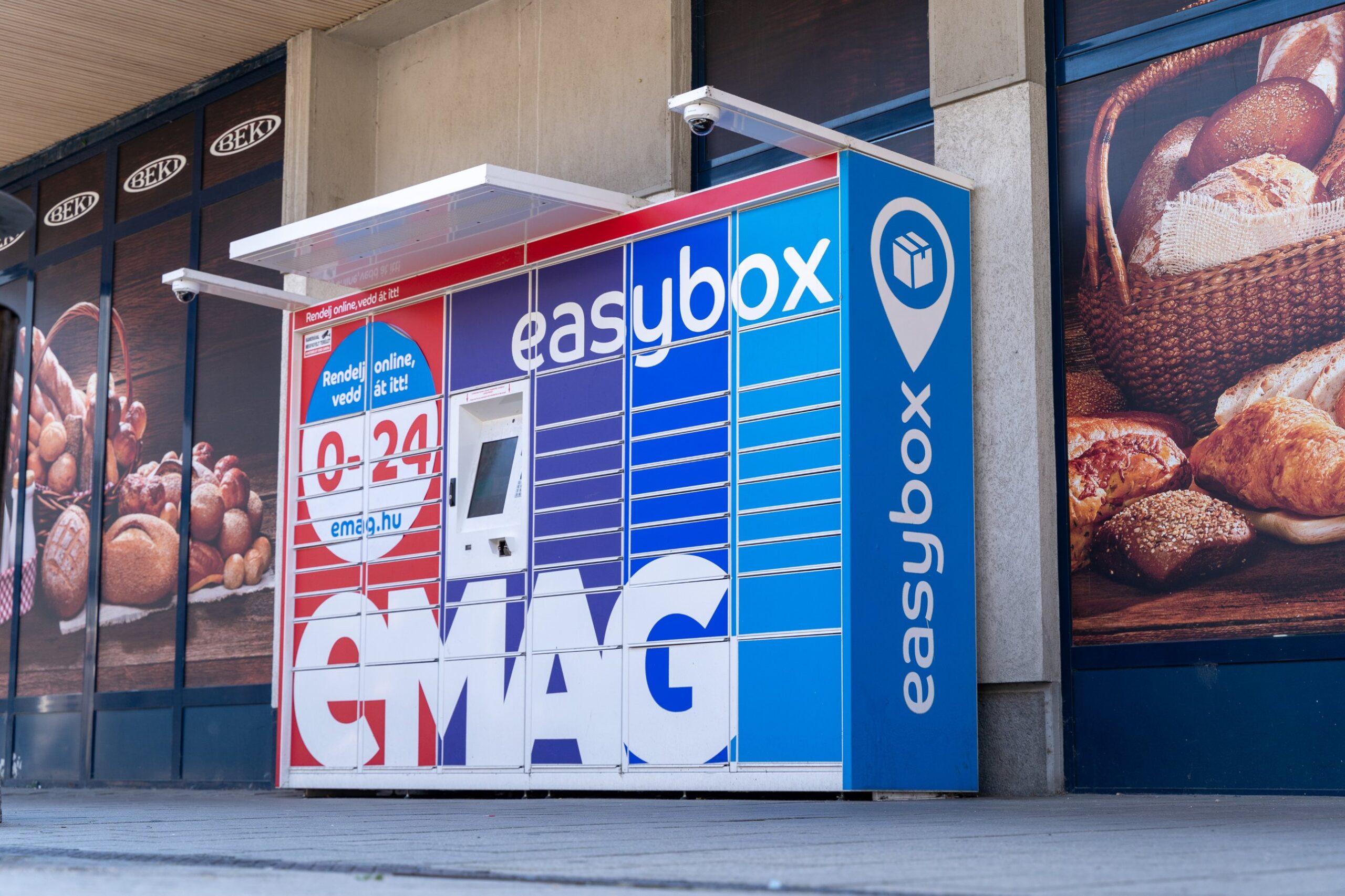
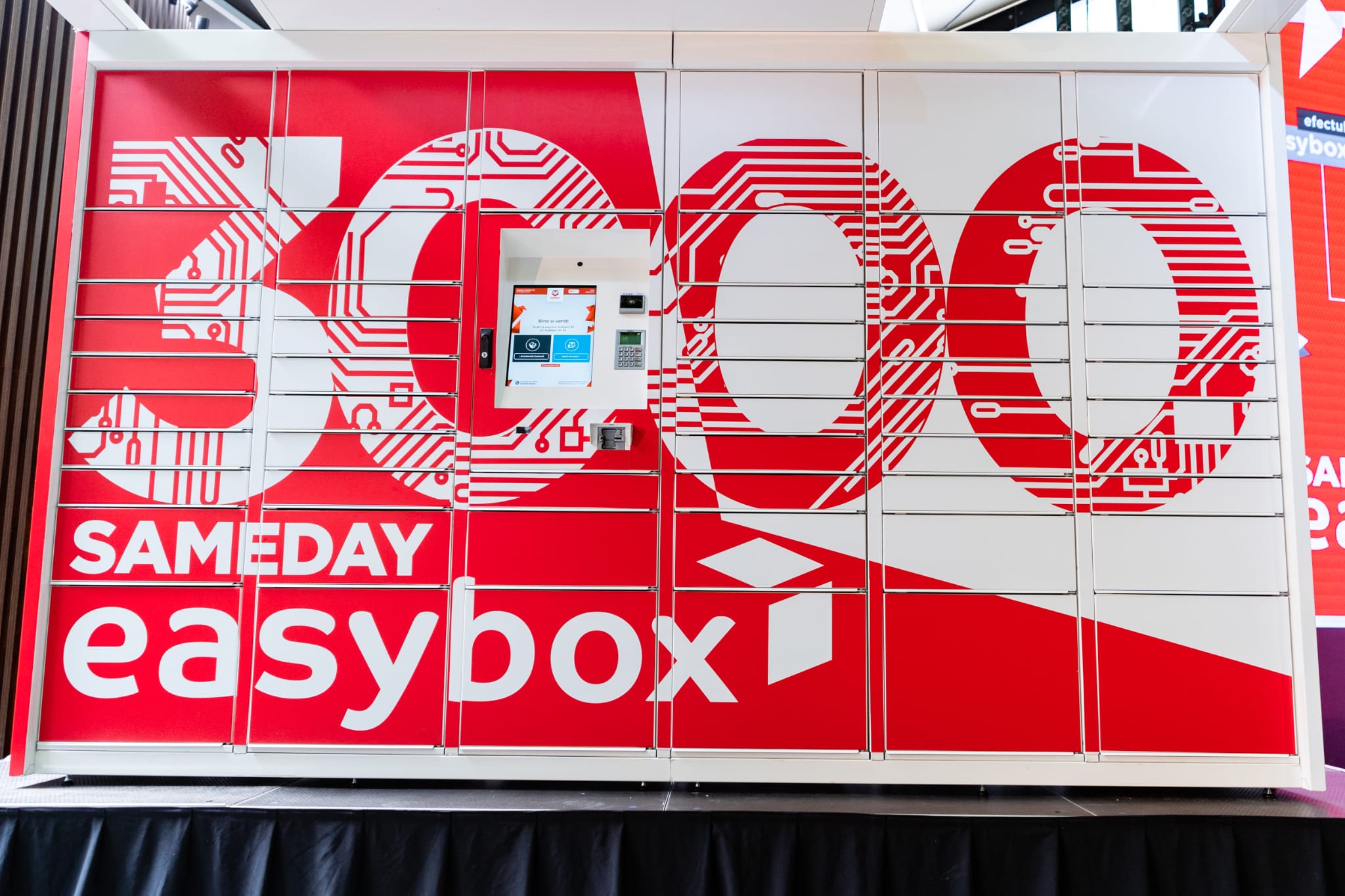
Sameday is a Romanian courier company operating over 5,000 easybox parcel lockers across Romania, Hungary and Bulgaria. In 2022, it delivered more than 27 million parcels via easybox, accounting for approximately 47% of its domestic deliveries in Romania.
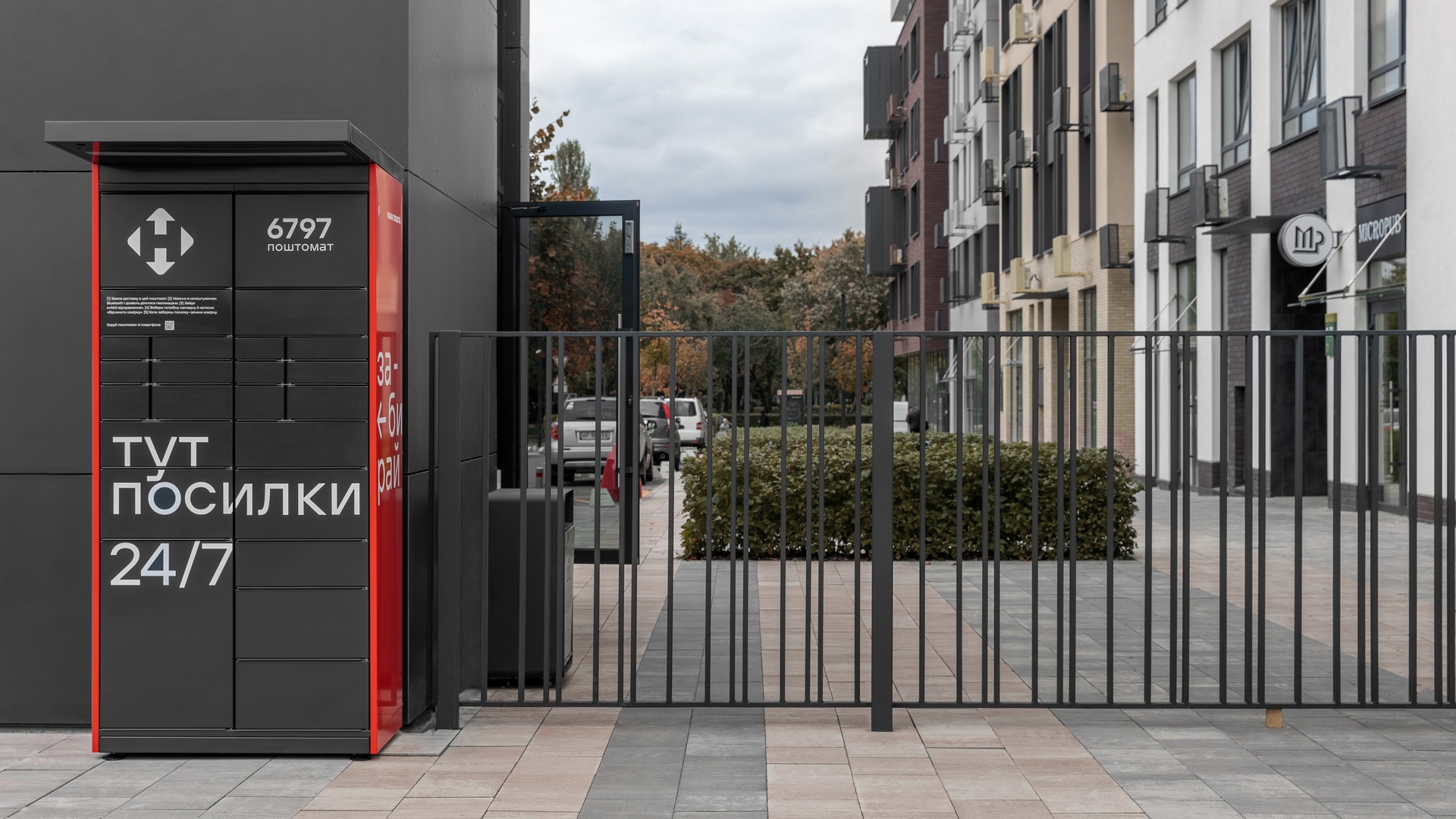
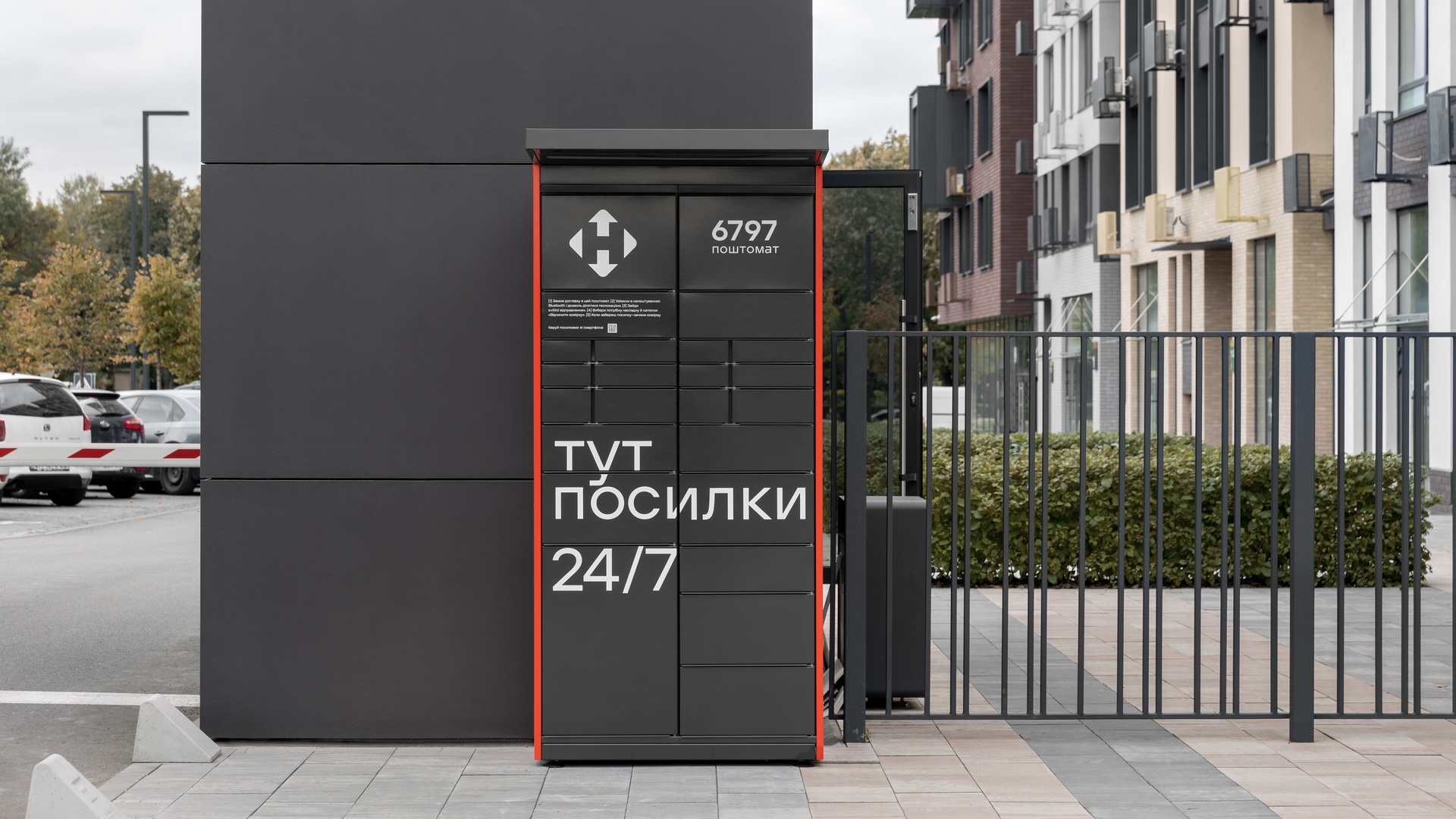
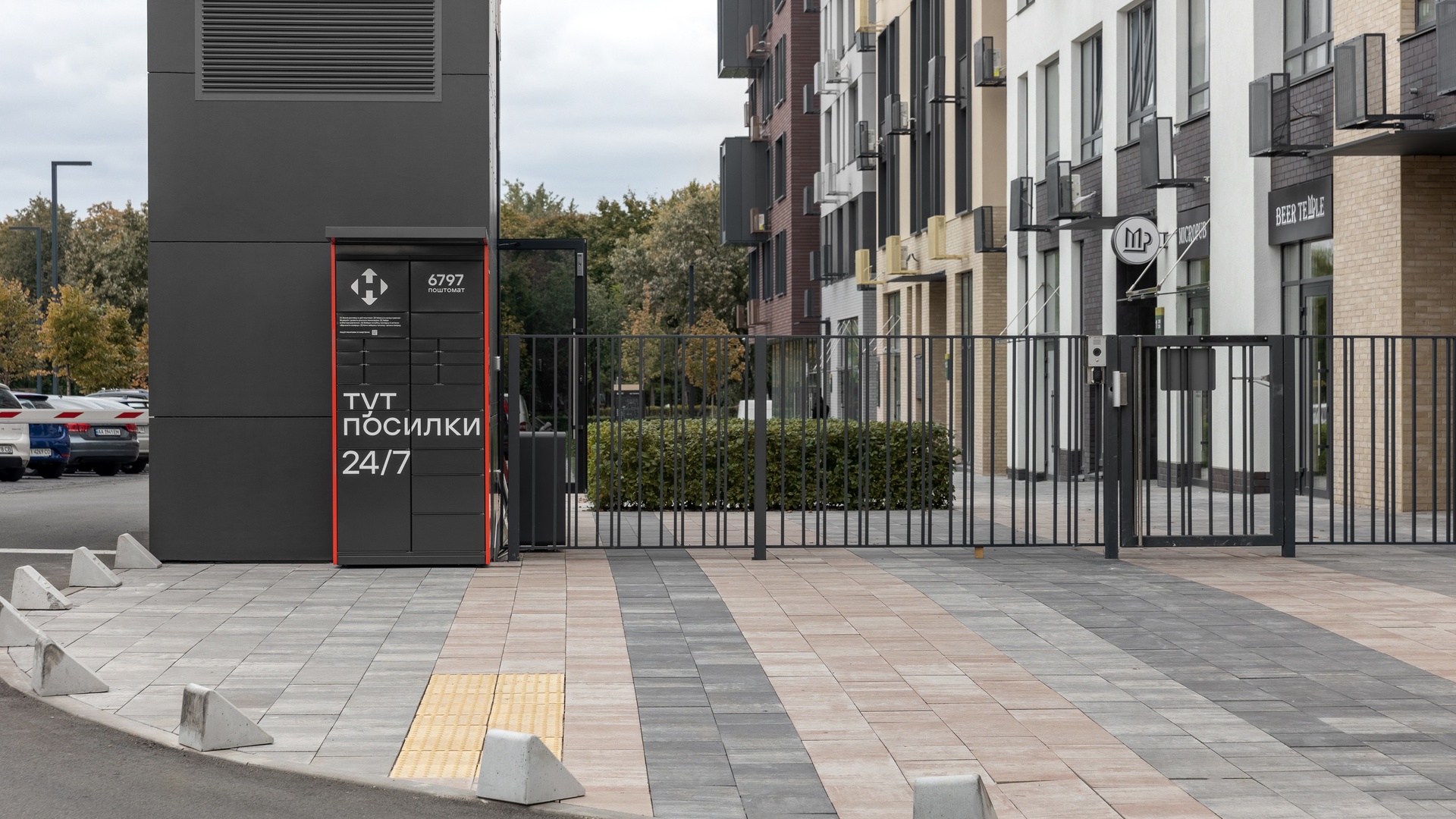
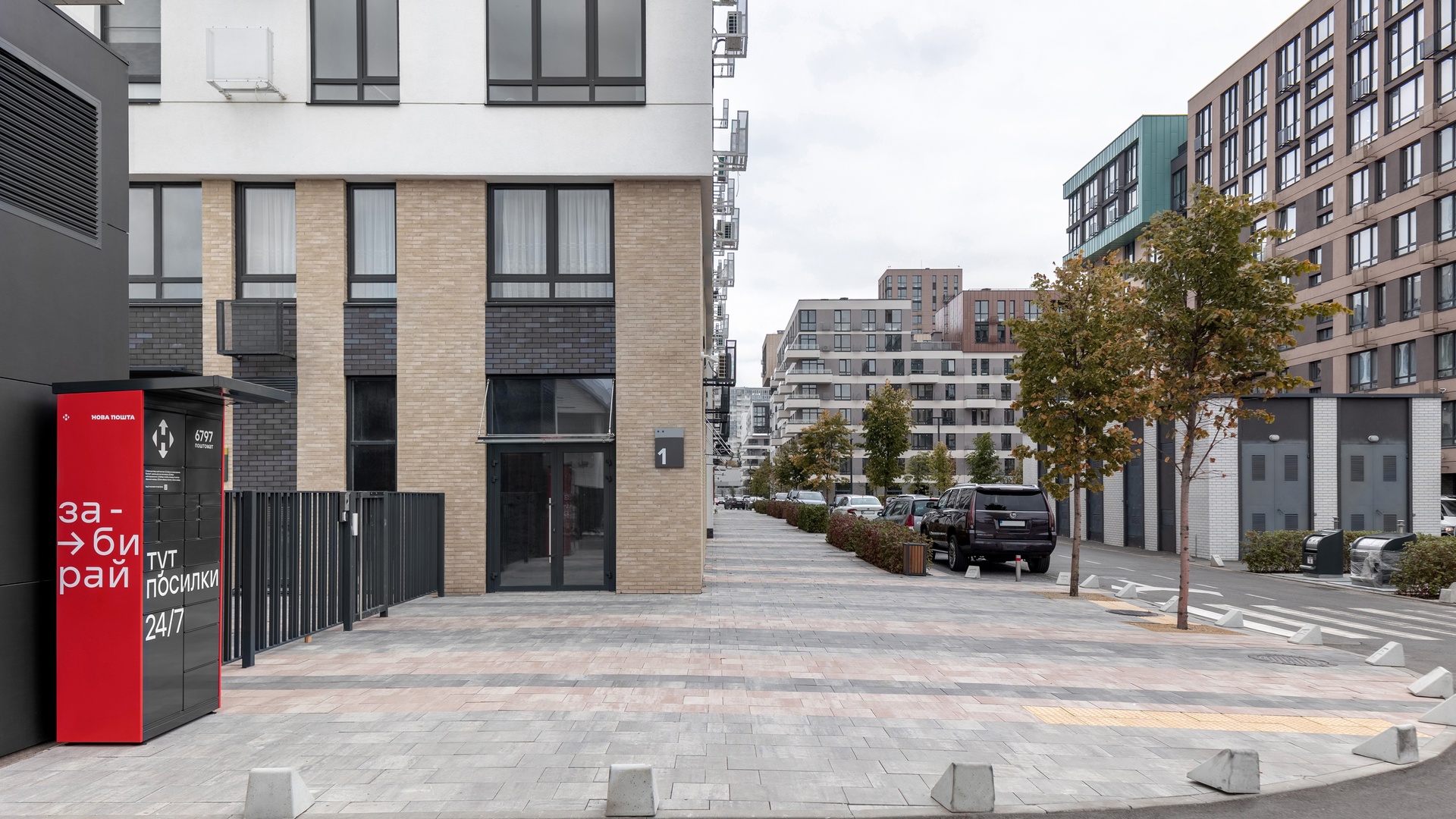
Nova Post, Ukraine’s leading carrier, processed a record 480 million parcels in 2024, including 19 million international shipments. The company operates over 37,000 service points across Ukraine and has expanded to 16 European countries, including Poland, Germany, and Spain.
Magyar Posta is Hungary’s national postal service, handling over 500 million mail items annually through a network of more than 3,000 delivery points.
With over 39 million monthly visits, Rozetka is the second most visited e-commerce site in Ukraine. The platform operates primarily in Ukraine but has expanded its services to neighboring countries, including Poland.
| Title | General Privacy Policy |
| Organization | Coastrock Holdings Limited |
| Policy version | v. 1 |
| Effective Date | 31.12.2019 |
| Last Review Date | 01.10. 2021 |
| Next Review Date | 31.12.2022 |
| Owner | The Group Legal Office |
| For questions about this Policy, contact: | The Group Legal Office at legal@modern-expo.com |
Read more about General Privacy Policy
| Title | General Information Security and Data Breach Policy |
| Organization | Coastrock Holdings Limited |
| Policy version | v. 1 |
| Effective Date | 31.12. 2019 |
| Last Review Date | 01.10. 2021 |
| Next Review Date | 31.12.2022 |
| Owner | The Group Legal Office |
| For questions about this Policy, contact: | The Group Legal Office at legal@modern-expo.com |
Read more about General Information Security and Data Breach Policy
| Title | Direct Marketing and Business Development Guidelines |
| Organization | Coastrock Holdings Limited |
| Policy version | v. 1 |
| Effective Date | 31.12. 2019 |
| Last Review Date | 01.10.2021 |
| Next Review Date | 31.12 2022 |
| Owner | The Group Legal Office |
| For questions about this Policy, contact: | The Group Legal Office at legal@modern-expo.com |
Read more about Direct Marketing and Business Development Guidelines
INTRODUCTION
This privacy notice will inform you as to how we look after your personal data when you visit our website and tell you about your privacy rights and how the law protects you. It also applies to your consent to receiving marketing from us and information we collect when you meet our representatives at trade fairs, conferences and similar events.
This privacy notice is provided in a layered format so you can click through to the specific areas set out below. Please also use the Glossary to understand the meaning of some of the terms used in this privacy notice.
If you are a candidate applying for a job with us, please also refer to our privacy notice for job applicants.
1. IMPORTANT INFORMATION AND WHO WE ARE
2. THE DATA WE COLLECT ABOUT YOU
3. HOW IS YOUR PERSONAL DATA COLLECTED?
4. HOW WE USE YOUR PERSONAL DATA
5. DISCLOSURES OF YOUR PERSONAL DATA
6. INTERNATIONAL TRANSFERS
7. DATA SECURITY
8. DATA RETENTION
9. YOUR LEGAL RIGHTS
10. GLOSSARY
Read more about Privacy notice
Our website uses cookies to distinguish you from other users of our website. This helps us to provide you with a good experience when you browse our website and also allows us to improve our site.
A cookie is a small file of letters and numbers that we store on your browser or the hard drive of your computer if you agree. Cookies contain information that is transferred to your computer’s hard drive.